Melania Turcu and Florăria Theo: how to build a resilient floral brand from Buzău
In floristry, the stories that really matter don't always start in big cities, in spectacular workshops or with big budgets. Sometimes they start in a provincial town, in a united and passionate family, with an entrepreneurial spirit and a bit of courage. The root of the Theo Florist business was not a cold market strategy, but an inherited passion [...]
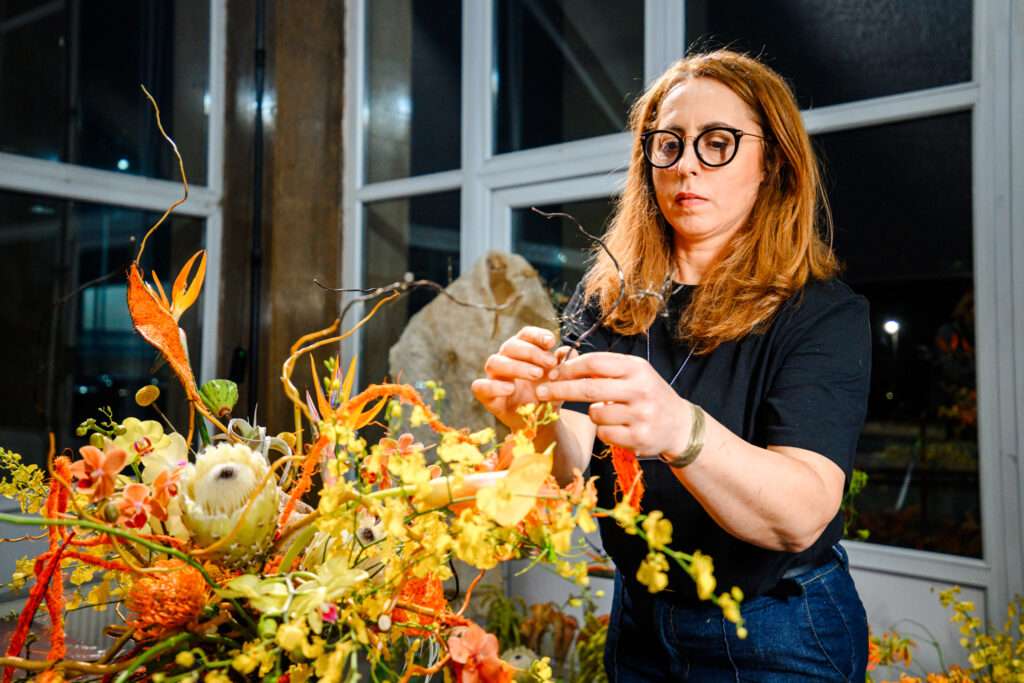
In floristry, the stories that really matter don’t always start in big cities, in spectacular workshops or with big budgets. Sometimes they start in a provincial town, in a united and passionate family, with an entrepreneurial spirit and a bit of courage. The root of the business Theo Florist it was not a cold market strategy, but a passion inherited from his mother, turned into a business at her sister’s encouragement. This nuance matters enormously. In many florists in Romania, the beginning is emotional, intuitive, based on taste and sensitivity. But what makes the difference over time is the ability to turn passion into system. Melania says that was exactly one of the hardest lessons: learning how to actually run the business.
In an industry where everything seems to happen quickly — orders, deliveries, trends that come and go — there are also stories that grow slowly but surely. Stories that are not built on haste, but on identity. On consistency. On an authentic relationship with people. Such is the story of Melania Turcu, the founder of Floraria Theo from Buzău — a business that has not only lasted from 2008 until today, but has evolved into a local benchmark for refinement and floral style.
“I started out of passion. I continued out of discipline.”
For Melania, flowers were never just a product. They were part of her life since childhood, thanks to her mother, and this emotional connection was the spark that later led to the emergence of the flower shop.
“I inherited my passion for flowers from my mother, and the decision to open the flower shop came at the urging of my sister.”
It is a typical start for many businesses in Romania: not from a rigid business plan, but from a combination of emotion, courage and family context. The difference, however, is what you do next. In 2008, the Buzău market was dominated by florists oriented to volume and quick sales. Melania and her sister chose a different path: they built a concept based on their own style and the use of natural materials. They didn’t try to be “like everyone else”. They tried to be recognizable.
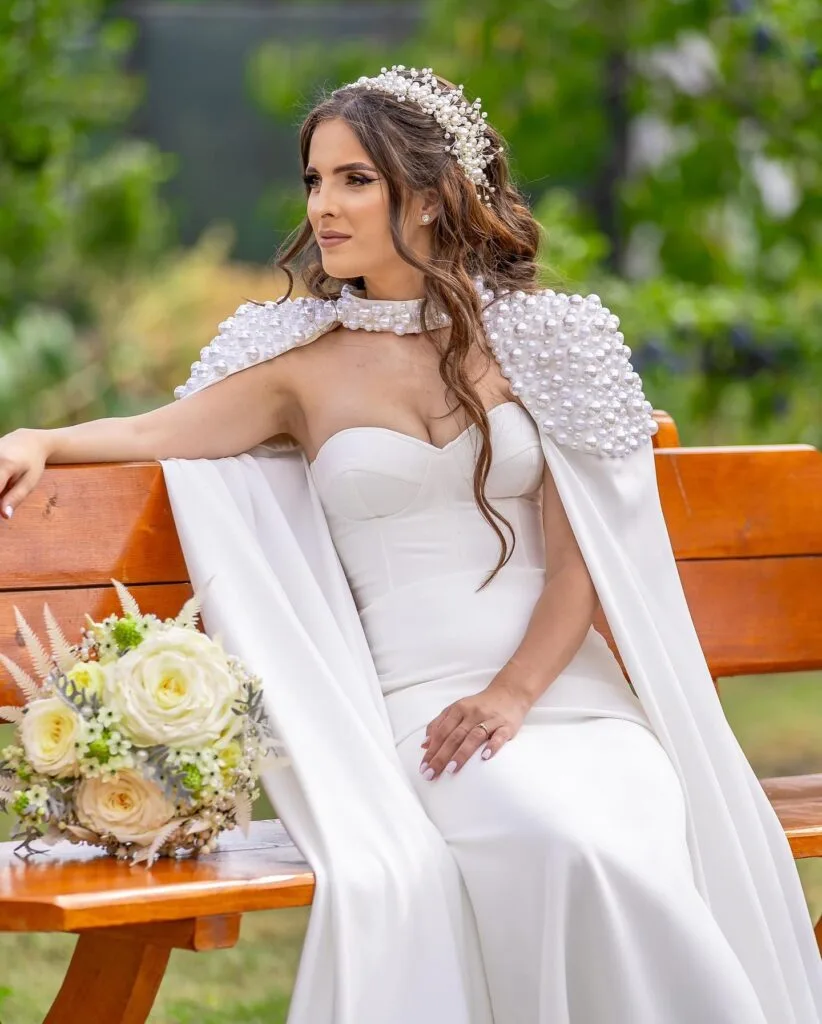
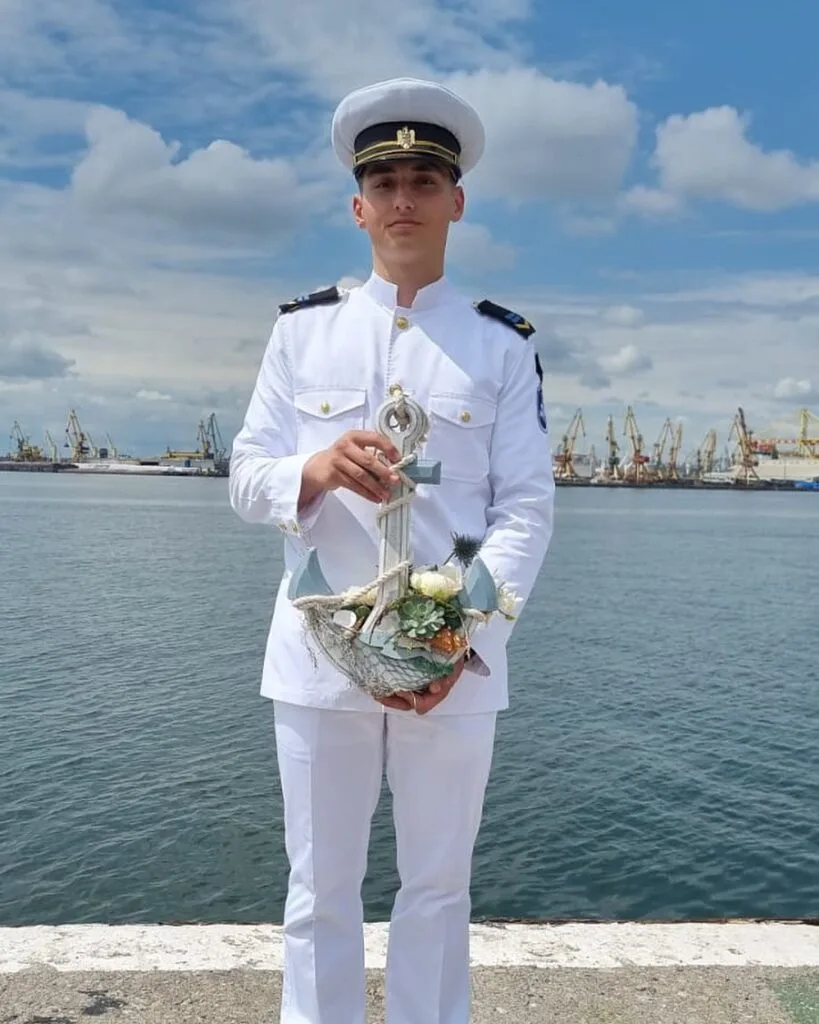
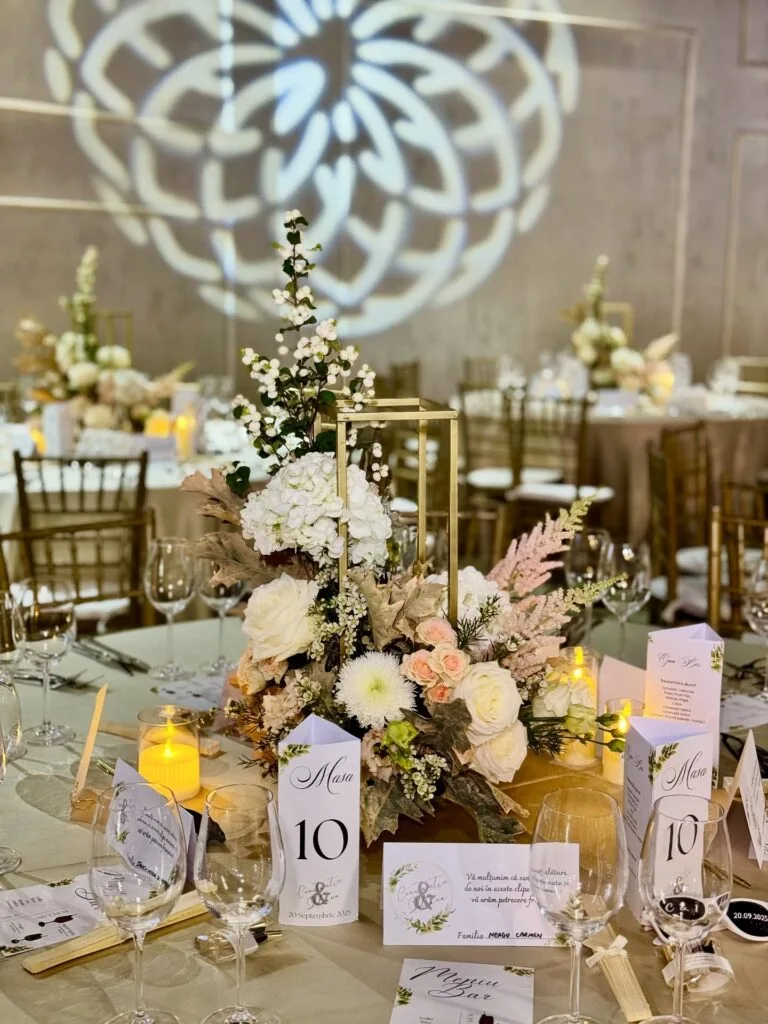
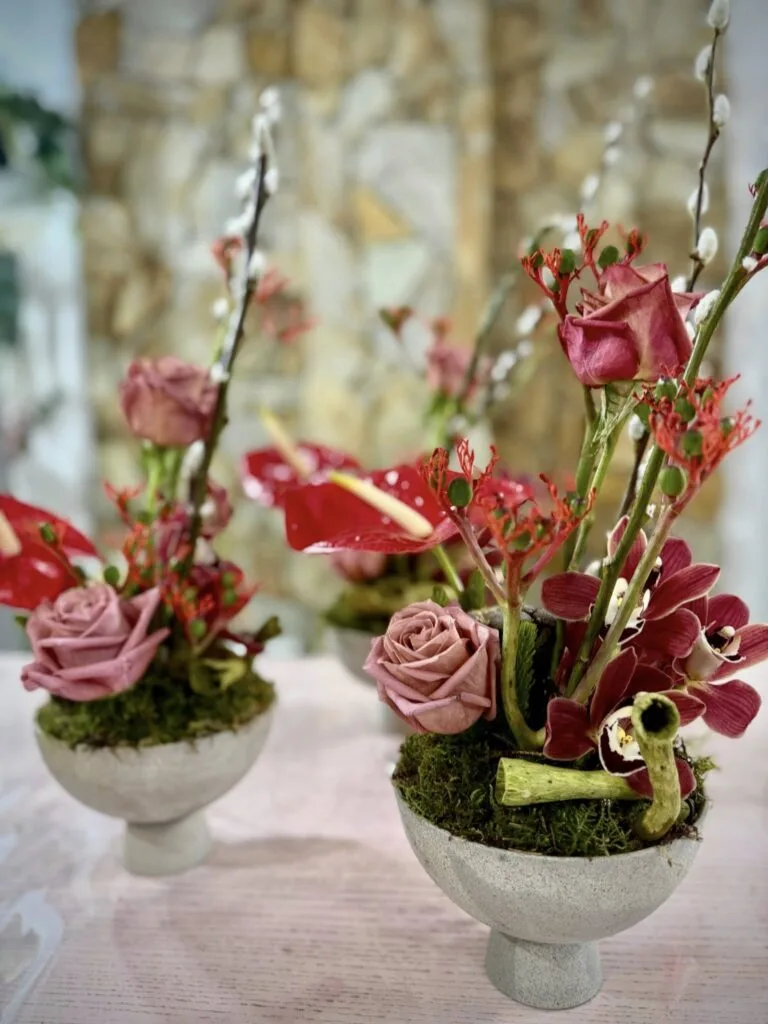
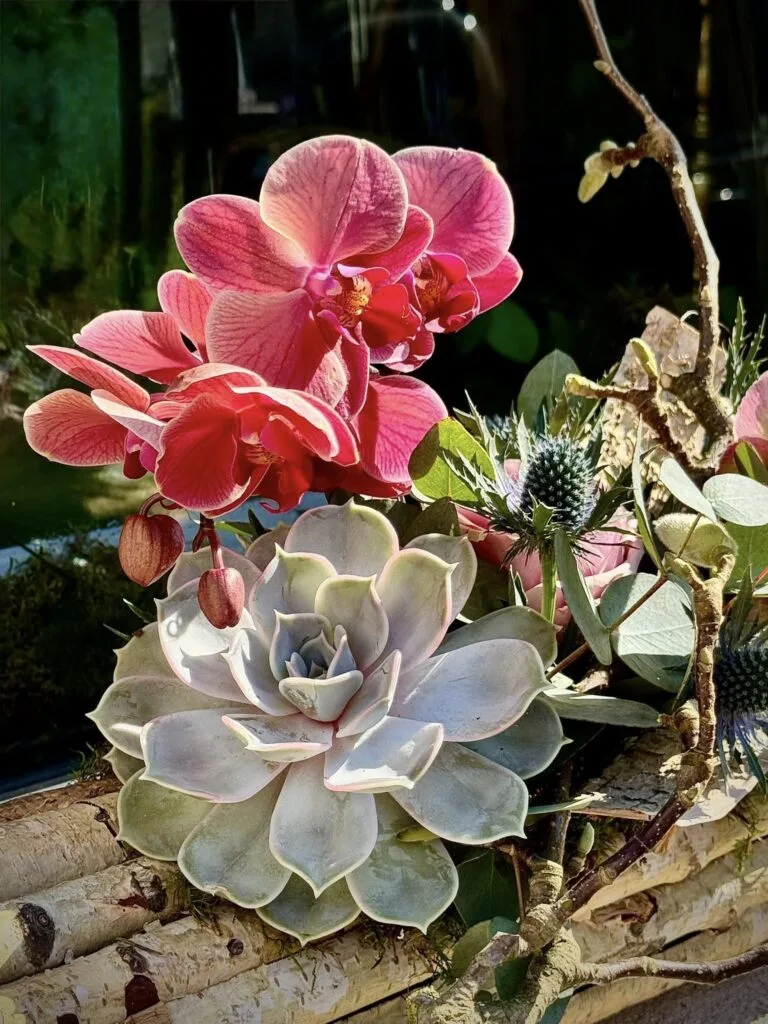
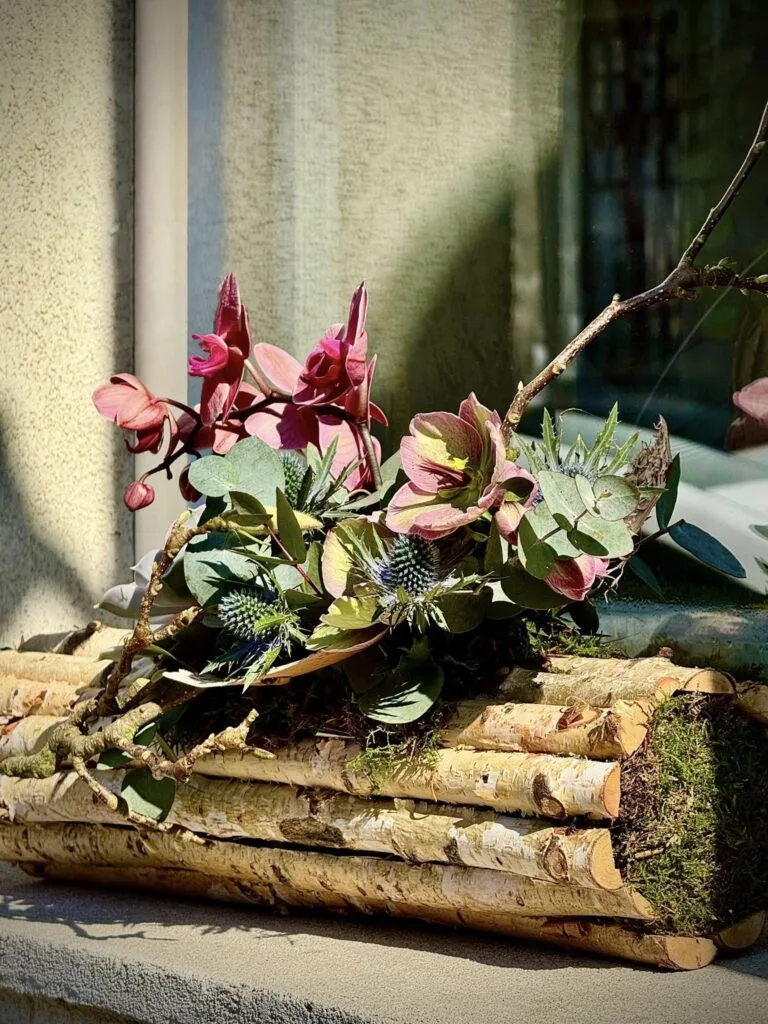
But the difference between an idea and a business appears in the coming years.
Because after the initial excitement, comes the reality. Cost management. Suppliers. The losses. Difficult customers. Seasonality.
“The hardest part was learning how to run the business.”
This phrase, apparently trivial, is actually the point where most florists in Romania get stuck. Because floristry is not only creativity. It is one of the toughest combinations between art and business. Melania openly admits that online was a challenge and that, at first, the quality of the work was enough for referrals. But not for scaling.
The lesson for the industry: Referrals grow you. Online takes you further.
Own style: the most powerful form of differentiation
In floristry, the temptation to copy is great. Designs, bouquets, colours — everything moves fast, especially in the age of social media. But Theo Florist grew on a simple principle: identity is non-negotiable.
“You can only stay competitive if you sell art, not just flowers.”
At a time when supermarkets, marketplaces and aggressive promotions are putting pressure on price, this perspective is a complete game changer.
For Melania, the difference lies not in the gross product, but in:
- the way it is composed
- customer experience
- the ability to advise
“It’s important to deliver quality and be willing to advise customers whenever needed. “I want the flower shop to become a secret garden where people discover wonderful things and shop relaxed and happy.”
Herein lies the real advantage of local florists. Not in price. But in the relationship. Not a selling point. An experience.
Because, in the absence of a clear style:
- you will be compared on price
- you will lose to the supermarkets
- you will become easily replaceable
The courage to evolve: from workshop to competition
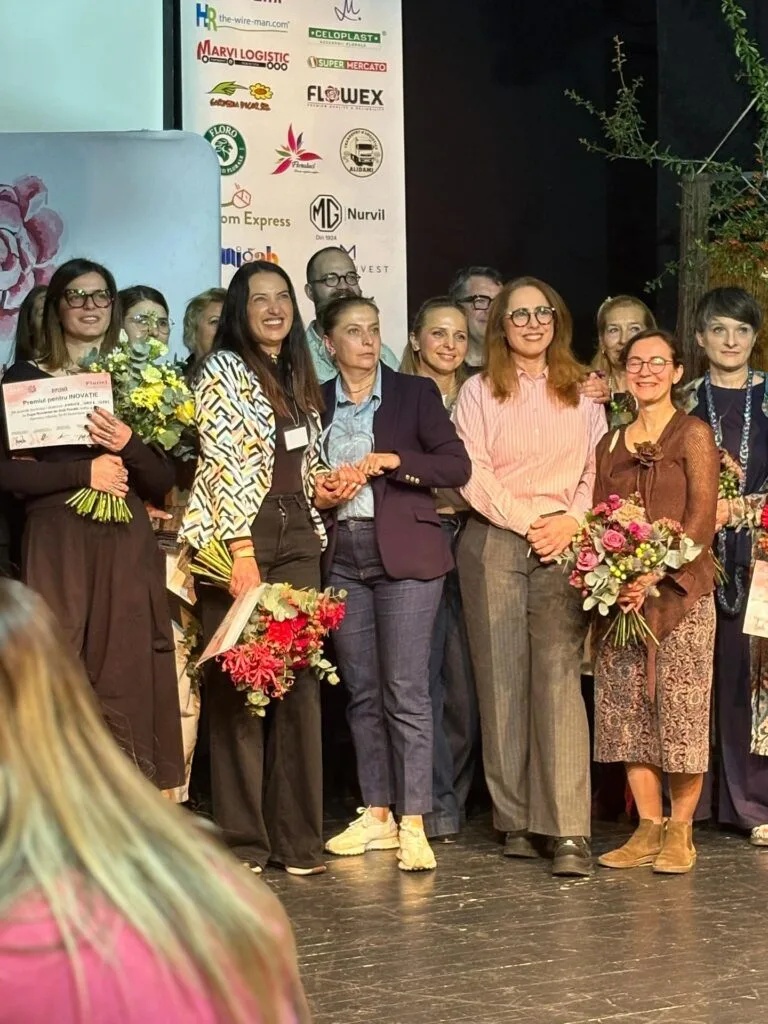
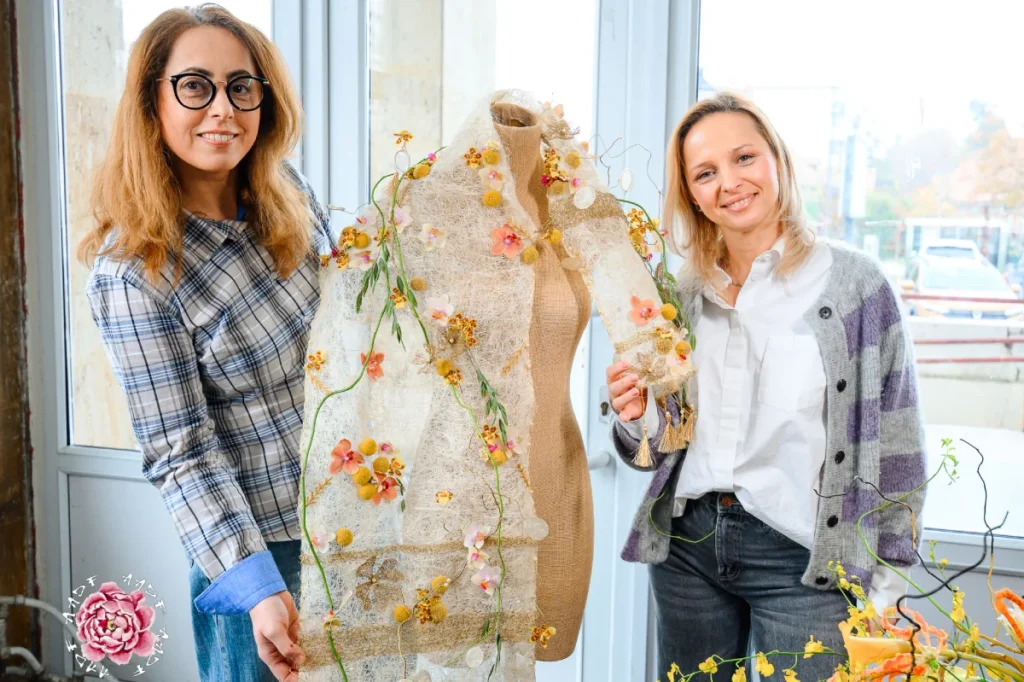
After years of work and refinement, Melania felt the need for a new step. A difficult but necessary one: participation in Romanian Cup of Floral Art 2025. The courage to evolve: from workshop to competition does not appear overnight, but is the result of a conscious decision to constantly invest in one’s own development, even when the daily schedule in the flower shop becomes overwhelming. In the course of Melania Turcu, education played an essential role, being the clear difference between a florist who repeats the same patterns and an entrepreneur who builds her own style and direction. In a market like the one in Romania, where many florists learn “on the fly”, from direct experience in the shop, a ceiling inevitably appears – a moment when evolution stops if there is no exposure to new techniques, different perspectives and higher standards. That is precisely why participating in floral design courses, international workshops or experiences outside the daily routine becomes essential for refining the style and getting out of the comfort zone. For Melania, involvement in the Romanian Cup of Floral Art was not about quick validation or awards, but about the sincere desire to grow and test her limits in a competitive environment, where every detail counts. “I wanted to go to the next level”, she says, and that statement perfectly sums up the mindset needed to thrive in this industry. The lesson is simple but hard: if you don’t constantly invest in yourself, you stay at the level of the market and inevitably end up being just another name in an already crowded field.
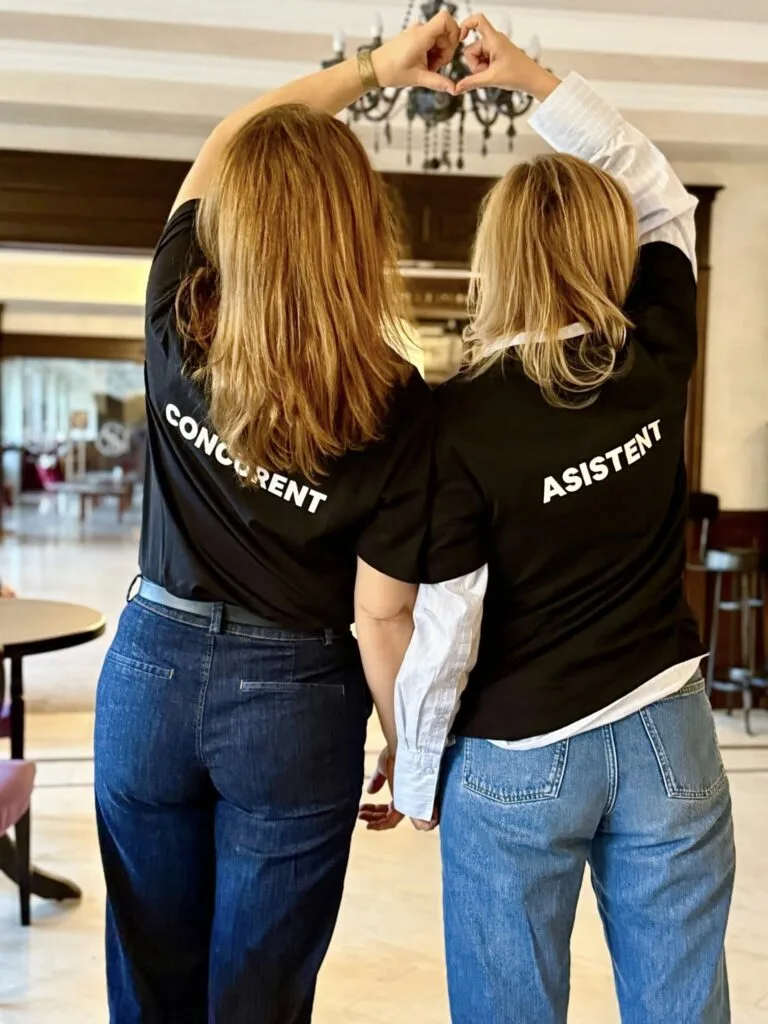
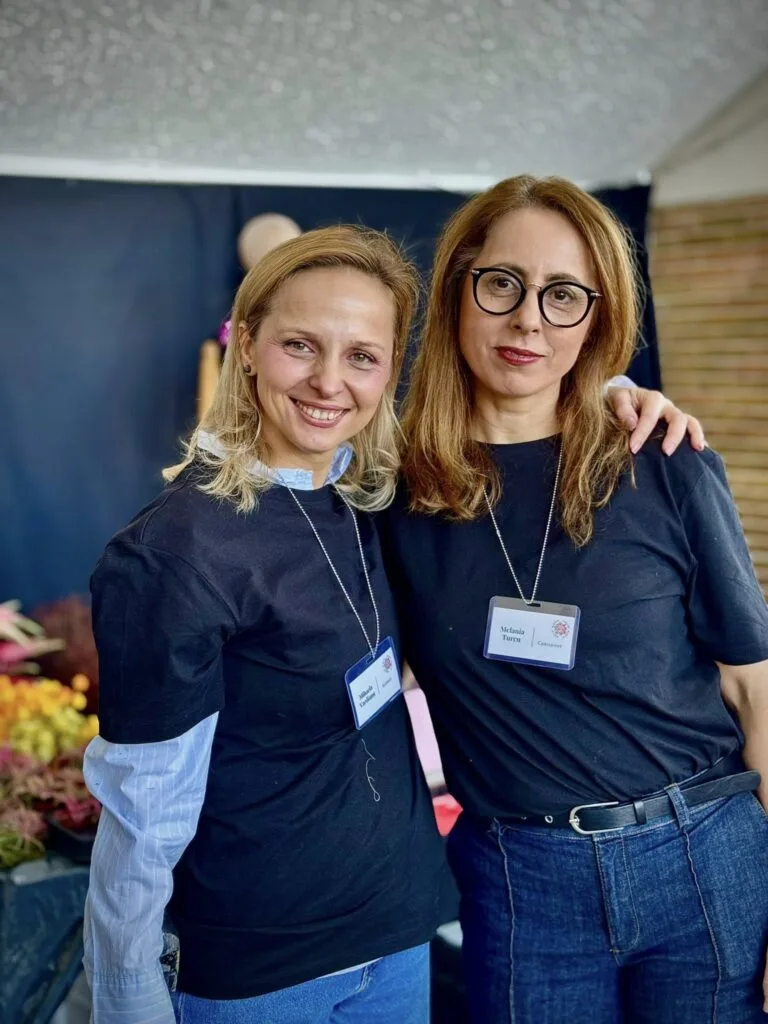
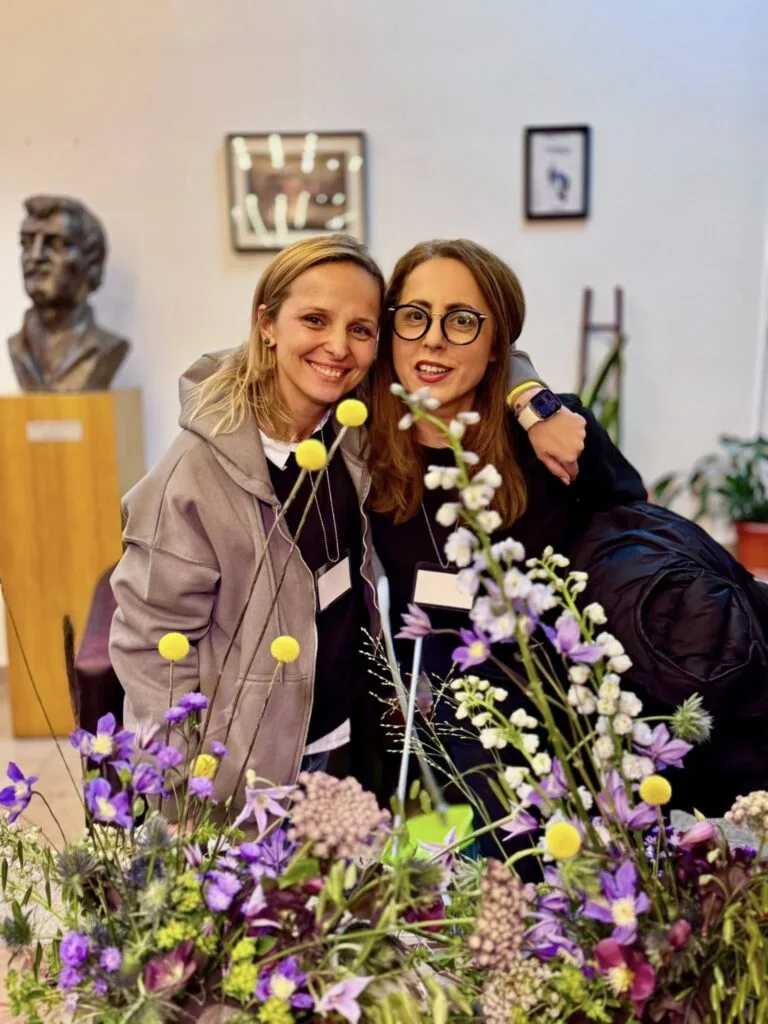
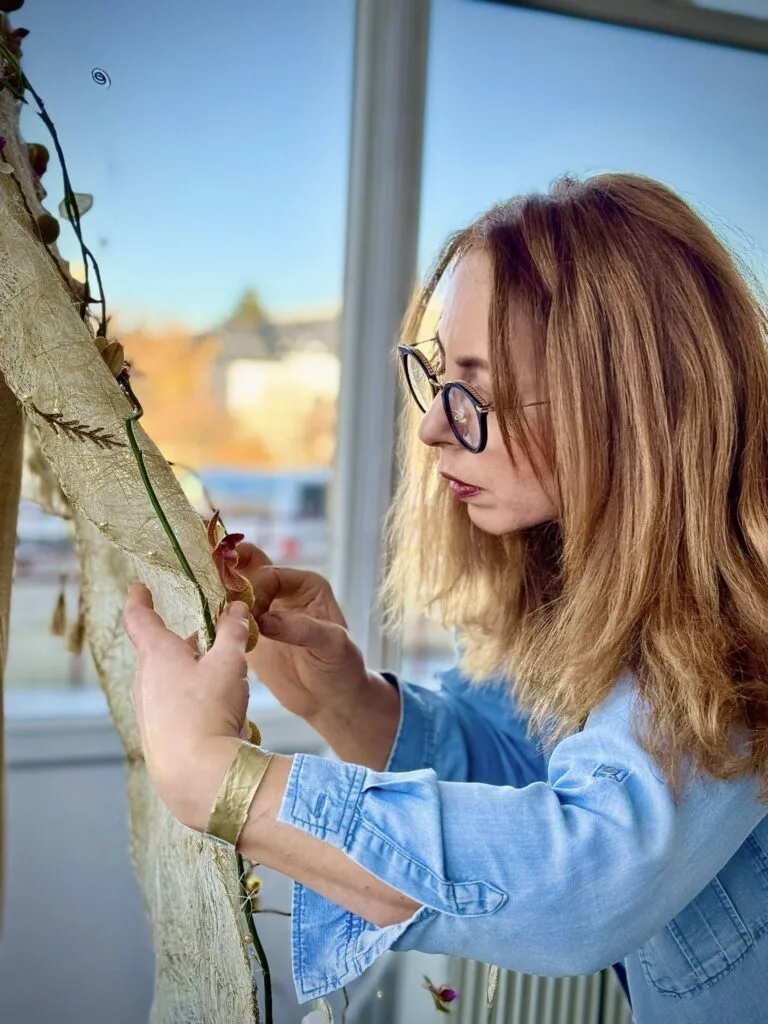
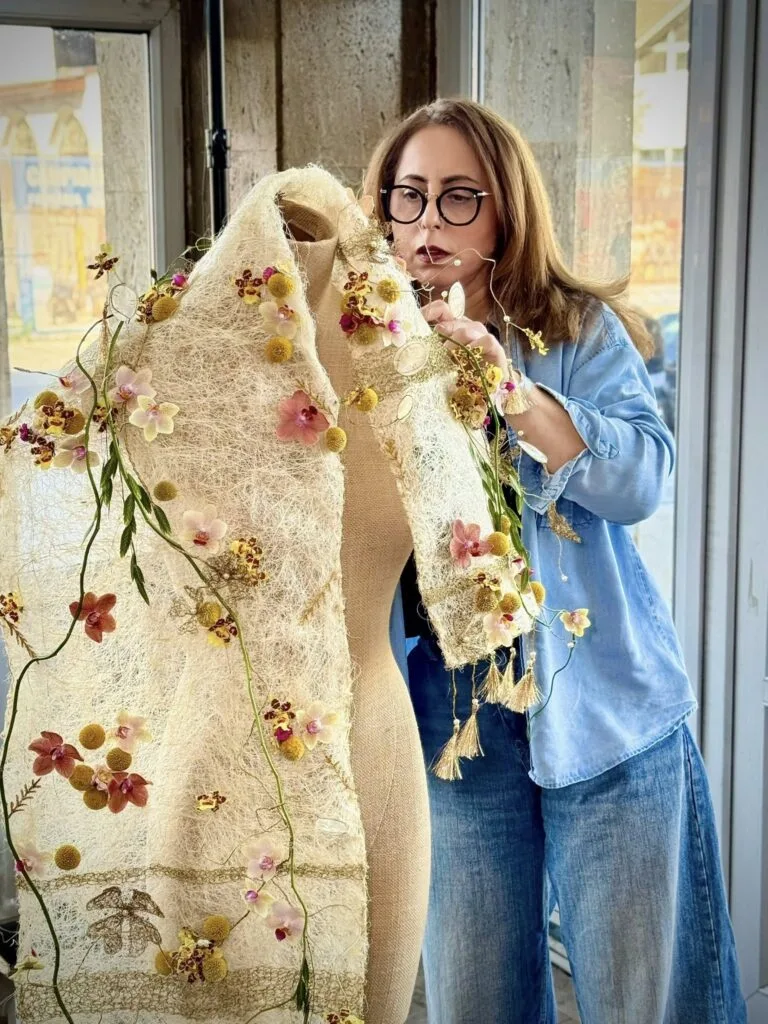
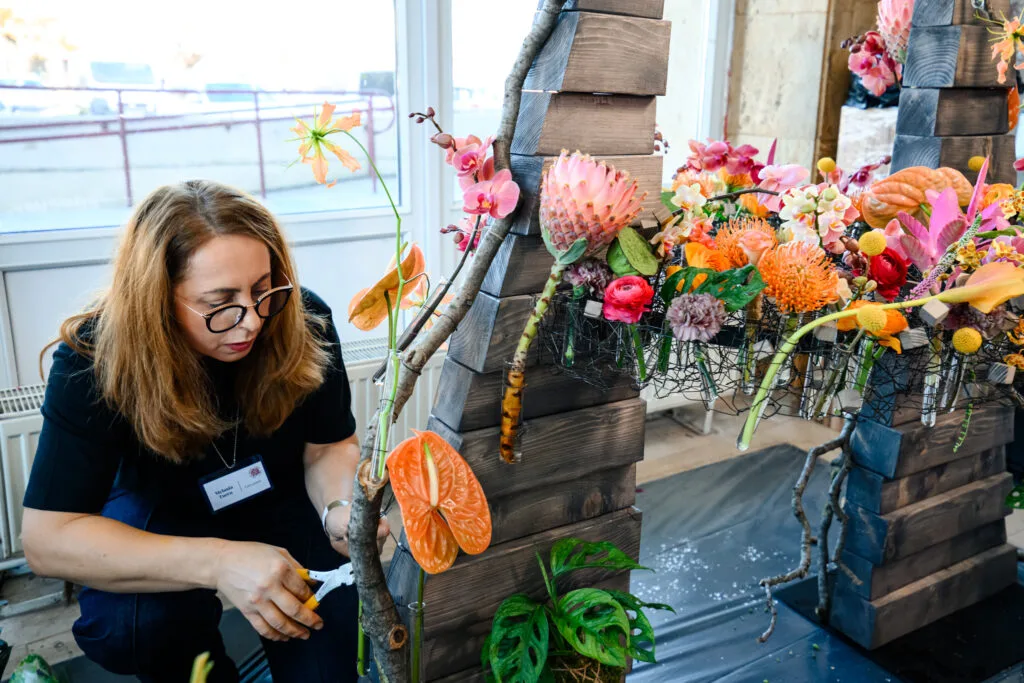
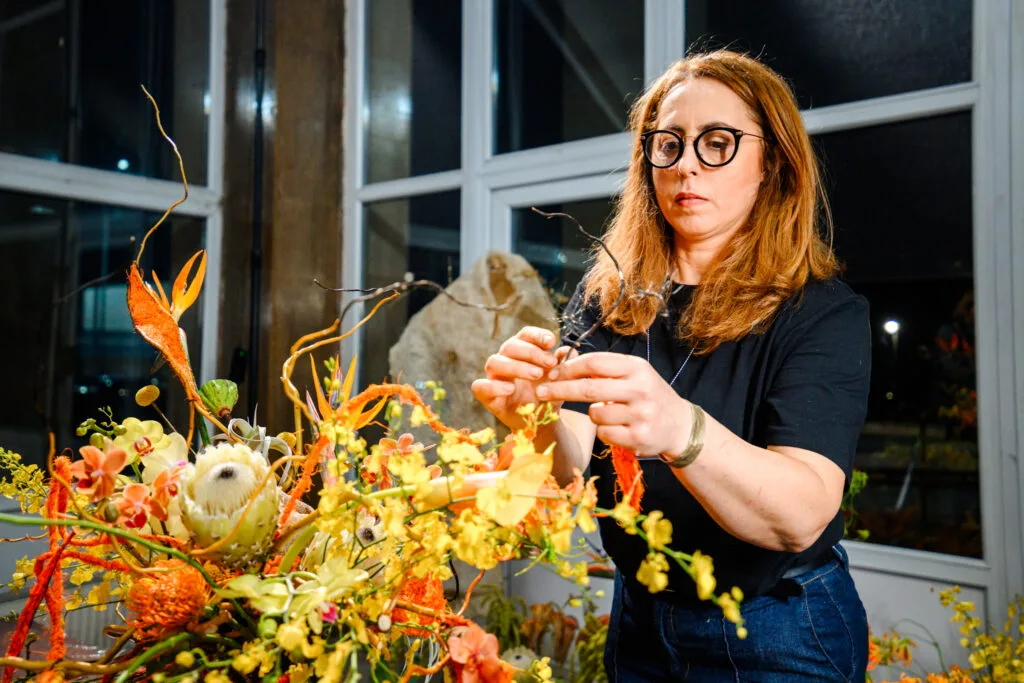
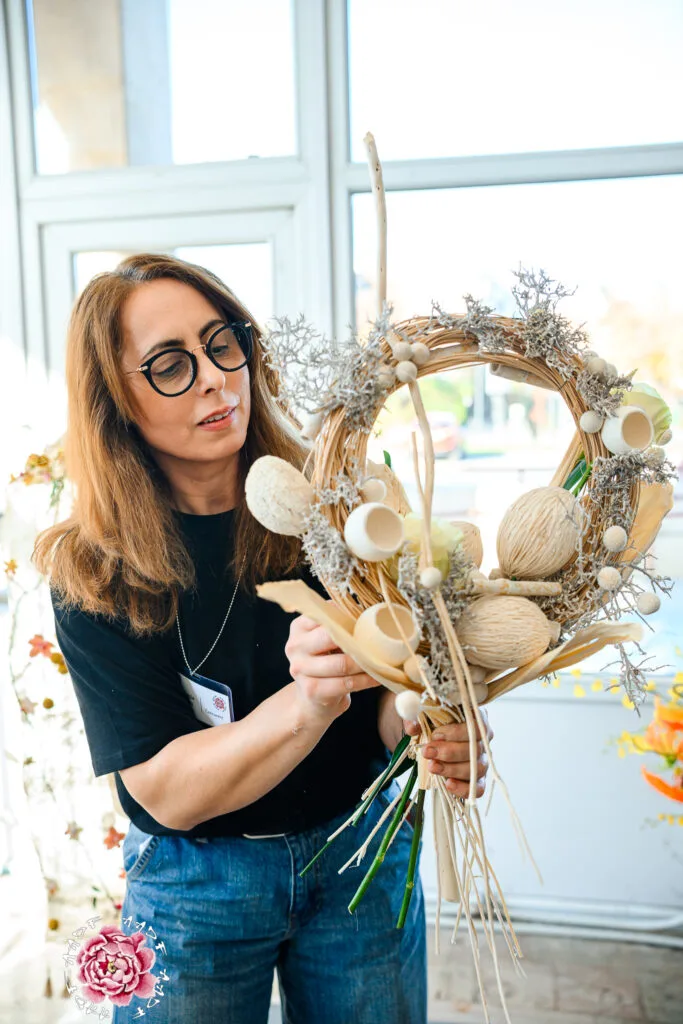
“It’s important to attend classes because you can discover a different style and stand out.”
Melania clearly says:
“Participating in contests does not bring concrete benefits for a florist.”
But he immediately adds:
“It’s an amazing experience.”
This duality is essential. Because in floristry, not all investments are financial. Some are about reputation, trust, personal validation and evolution. The competition was intense, demanding and emotional. But more importantly, it was a real test of professional maturity.
The lesson: you don’t grow from customers alone. You grow from challenges.
How long does it take to build a flower shop that matters
Here comes the part that few say directly.
A real floral brand is not built in 6 months.
It is not built even in 1 year.
In Romania, from the experience of the market and similar businesses, the realistic timeline looks like this:
- 0–1 year: survival and learning
- 1–3 years: stabilization and the first loyal customers
- 3–5 years: clear identity and constant referrals
- 5+ years: consolidated local brand
Melania is exactly the example of this path.
He didn’t burn stages. He lived them.
And now, the questions everyone is thinking but no one is asking
Melania Turcu’s story is not about quick success. It’s about real building, in an industry where too many are looking for shortcuts and immediate results. She chose, consciously or not, the long way: her own style, continuous education, intelligent adaptation and a genuine relationship with the client. And the result is exactly what every florist wants, but few manage to build consistently: a business that does not depend on price, but on identity. And, perhaps most importantly, a business that remains.
But beyond the story, there is a reality that all florists feel but rarely discuss openly. Romanian floristry is not only about creativity and beautiful bouquets. It’s about constant pressure. About rising costs, fragile margins and increasingly aggressive competition, including from outside the industry. Because while florists are struggling with higher purchase prices and a cost-sensitive market, there are parallel aggressive campaigns in retail or other industries promoting alternative products, sometimes even with direct messages like “stop buying flowers”. At the same time, supermarkets and large chains come up with volume and price strategies that are impossible to support for a local business.
Here, inevitably, comes the question that every florist asks himself, but rarely verbalizes: is it still worth it? Can you still build something stable in this industry? The answer is not simple, but it is clear if you realistically look at the numbers and market dynamics. Opening a flower shop in Romania can start from around 10,000 euros, but can easily reach 50,000–70,000 euros for a well-positioned concept. Monthly costs, even for a small team, can exceed 8,000–15,000 lei, not including freight. At the same time, many small florists generate income of 5,000–10,000 lei per month in normal times. This means a very simple but hard thing: it is not a business in which profit comes automatically. It is a business in which the margin is built, with discipline and strategy.
Therefore, one of the most important questions is not “how do I sell more?”, but “how do I build something that lasts?”. Because the truth is that a real floral brand is not built in 6 months. It is not built in a year. In Romania, a realistic timeline looks like this: the first year is about survival and learning, the next two-three about stabilization and building a loyal customer base, only after 3-5 years a clear identity and constant recommendations start to appear, and after 5 years we can talk about a consolidated local brand. Melania did not skip these stages. He lived them. And that is exactly why her story is relevant.
In this context, perhaps the most important takeaway is not about flowers, but about positioning. If you try to compete on price, you will lose to the big players almost every time. If you try to be “for everyone”, you will become invisible. But if you choose to build identity, experience, and relationship, you create something that cannot be easily replicated. And here comes the reinvention that the industry needs now more than ever. Not a superficial reinvention dictated by trends, but a strategic one: who you are as a florist, what you promise, who you work for and how you clearly differentiate yourself.
Perhaps this is exactly the moment when every florist should stop and ask themselves the right questions: are they selling flowers or building a brand? Do I react to the market or create my own direction? Am I trying to survive or build for the long term? Because beyond the market noise, the ads, the price pressure, and the aggressively promoted alternatives, one simple truth remains: work done right, beautifully, and consistently doesn’t go away. Maybe it doesn’t explode overnight. But it’s coming together. And, over time, it becomes exactly that thing that Melania Turcu has built without haste — a business that not only exists, but matters.
Related articles
More ideas from the same area

Business & Management / Florists & Stories
How to calculate the real margin on a flower bouquet
A practical method for calculating contribution margin from net revenue and the variable costs…
Business & Management / Florists & Stories
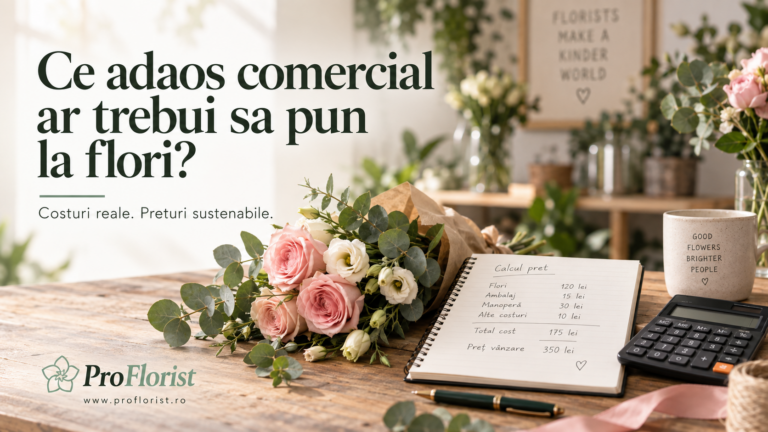
What commercial markup should I apply to flowers?
There is no universal commercial markup that is "correct" for all florists. A multiplier…
Florists & Stories / Flower Guides & Inspiration / Supply & Flower Industry
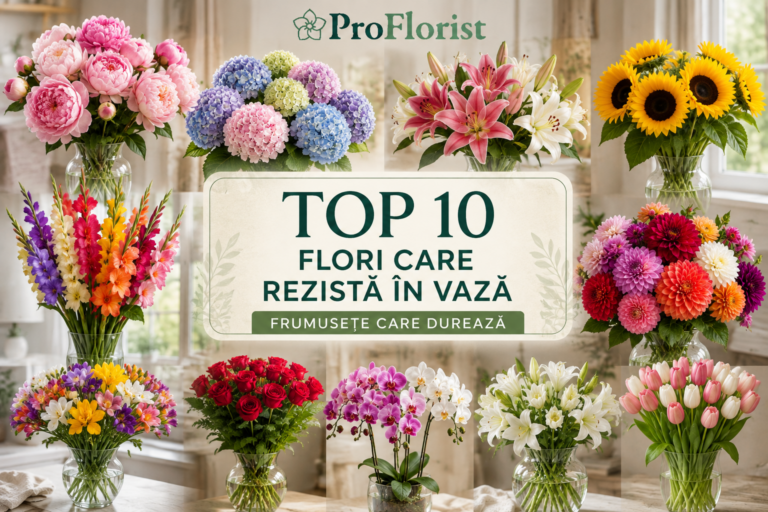
10 cut flowers that last a long time in a vase and how to extend their lifespan
Are you looking for flowers that last? Cut flowers can instantly transform a room,…