How florists can optimise pricing for sustainable profitability
A practical overview of cost-based pricing, competitor research, seasonal planning and ongoing review. The aim is to protect margins while keeping prices clear and appropriate for your market.
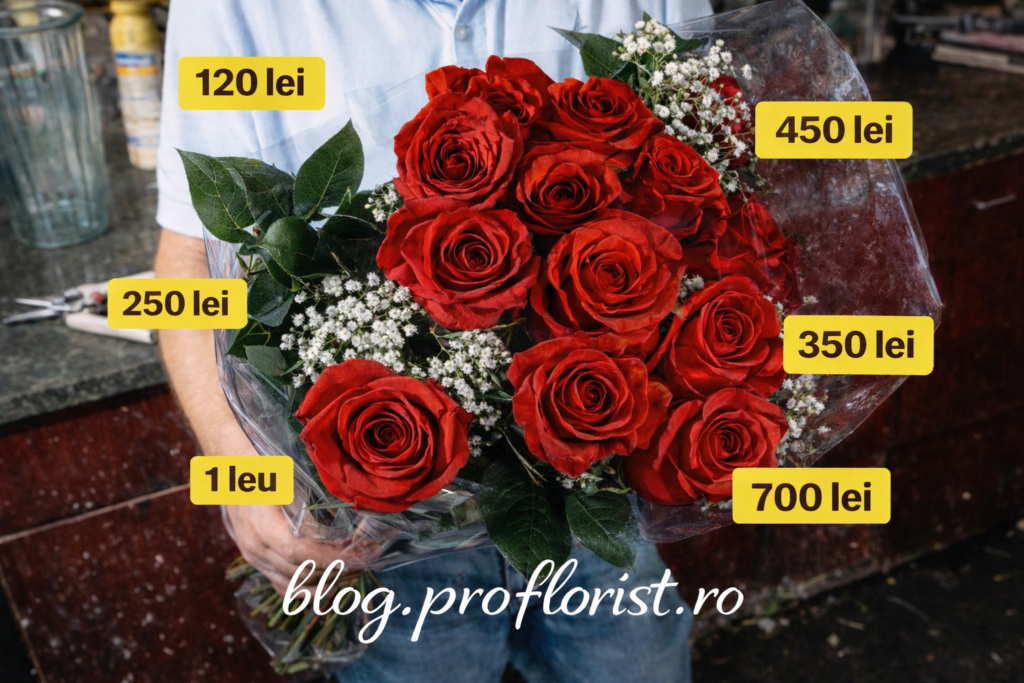
Introduction to optimising flower prices
Optimization of prices in the flower shop is an essential element in ensuring the profitability and long-term success of the business. In a dynamic sector, affected by seasonal and local competition, fair pricing requires a thorough understanding of the market, costs and behaviour of consumers. This article provides a detailed analysis of the prices for florists, methods of competition analysis and practical recommendations to maximise revenues without losing customers.
The importance of price strategy in the flower shop
In the florist industry, prices not only reflect supply and labour costs but also the value charged by customers. A well-defined pricing strategy can help:
- Increased profit margin
- Attracting and loyalty of customers
- Adaptation to seasonal fluctuations
- Differentiation from competition
Therefore, price optimisation is a continuous process that needs to be adjusted according to the market context and the evolution of demand.
Analysing competitors in the flower market
A crucial step in price optimisation is to conduct a rigorous analysis of competition. This implies:
- Identification of main local competitors
- Comparison of prices for similar products
- Assessment of offers and promotions of competitors
- Observation of their position on the market (luxury, accessibility, specialisation)
Through this analysis, the florist can identify price adjustment opportunities either by offering a better quality-price ratio or by differentiating services and products.
Useful tools for competition analysis
Florists can use simple methods such as visiting competing shops or monitoring online prices, as well as digital market monitoring tools. Thus, trends can be observed and informed decisions on changes in tariffs can be taken.
Effective pricing strategies for florists
There are several price strategies that can be applied in the flower shop, each with its advantages and limitations:
1. Cost-based pricing
The total cost of the product (flowers, material, labour) is calculated and a profit margin is added. This method ensures expenditure coverage, but can ignore market perception.
2. Competitor-based pricing
Prices are set on the basis of the level of competition either at the same level or slightly lower to attract customers. It is important not to compromise quality or profitability.
3. Seasonal pricing
The prices shall be adjusted according to seasonal demand, such as holidays or special events. Price increases in peak periods can increase profit and reductions in weaker periods can stimulate sales.
4. Psychological pricing
Use of prices that seem more attractive to consumers, such as £19.99 instead of £20. This strategy can influence value perception and increase sales.
5. Bundles and combined offers
Creating promotional packages that include several products at an advantageous price can stimulate purchases and increase the average basket value.
Seasonal price management
Seasonality is a defining factor in the flower business. During holidays or special events (Valentine’s Day, 8 March, Easter), demand increases significantly and prices can be adjusted accordingly. Instead, in quieter periods, it is recommended to offer promotions or discounts to maintain customer flow.
Good stock planning and transparent communication with customers about the reasons for changing prices help to build confidence and avoid negative perception.
The importance of continuous monitoring and adjustment
Price optimisation is not a static process. A constant monitoring of results, customer reactions and market developments is required. In addition, changes in suppliers’ costs or consumer trends may require rapid adjustments.
Florists implementing a sales and profitability tracking system by product categories can quickly identify the most efficient prices and eliminate or modify non-performing offers.
What is useful to note
- Price optimisation is the key to increasing profitability in the flower shop
- Competition analysis and seasonality adaptation are essential
- Strategies must be chosen according to market specificity and customer profile
- Continuous monitoring and flexibility in price adjustment ensure long-term success
Frequently asked questions about optimising prices in florists
What is the most effective pricing strategy in the flower shop?
There is not a single universal strategy. Combining cost analysis with competition monitoring and seasonal adaptation provides the best results.
How can I correctly assess the prices of competitors?
By visiting competing shops, tracking online prices and analysing special offers, you can get a clear picture and adjust prices competitively.
Is it recommended that I offer frequent discounts in the flower shop?
Reductions can stimulate sales in weaker periods but overused can affect the perception of the value of products. It is important to be strategic and well planned.
How does seasonality affect flower prices?
Seasality causes large fluctuations in demand and prices need to be adjusted to maximise profit in peak periods and maintain sales in weaker periods.
What role does customer perception play in pricing?
Value perception is crucial; prices must reflect the quality and uniqueness of products to justify costs and gain customer confidence.
Related articles
More ideas from the same area

Business & Management / Florists & Stories
How to calculate the real margin on a flower bouquet
A practical method for calculating contribution margin from net revenue and the variable costs…
Business & Management / Florists & Stories
What commercial markup should I apply to flowers?
There is no universal commercial markup that is "correct" for all florists. A multiplier…

Business & Management / Florists & Stories / Supply & Flower Industry
Dignity, professional standards and the future of Romanian floristry: a conversation with the AADF
This article opens a three-part series on Romania’s floristry industry. Drawing on an in-depth…