Business & Management / Supply & Flower Industry
How to build a sustainable and eco-friendly florist brand
Discover the essential steps to creating a sustainable florist brand by adopting eco-friendly practices and communicating your environmental responsibility to your customers.
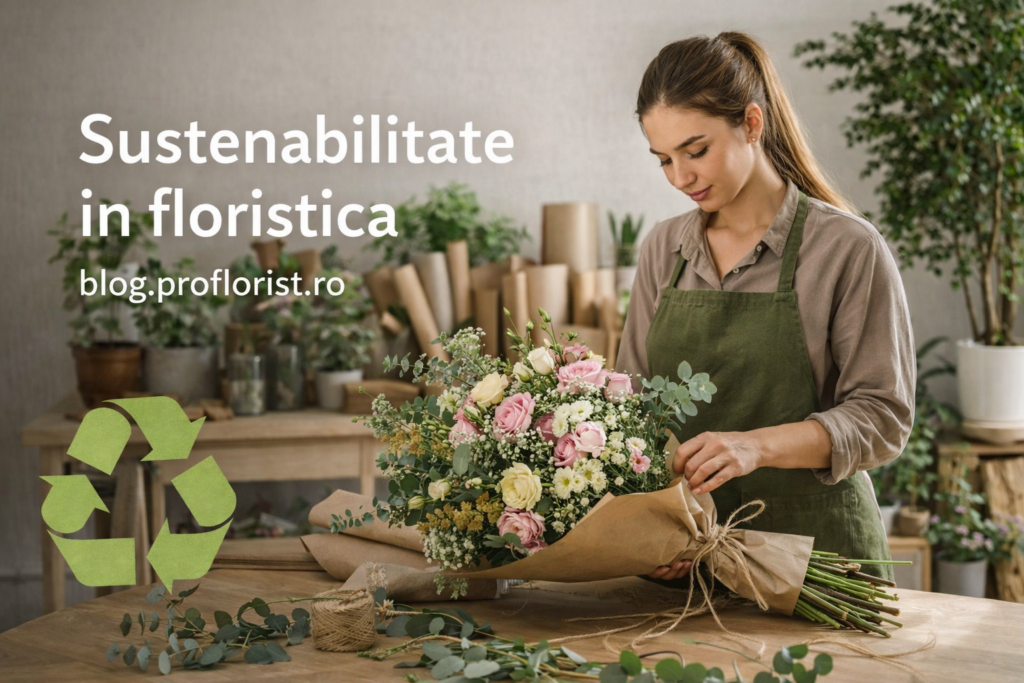
In recent years, sustainability has moved beyond being merely a “trendy” concept; it is now a reality profoundly influencing every industry, including floristry. Customers are becoming increasingly aware of the environmental impact of their choices, and florists who ignore this aspect risk falling behind. Building a sustainable florist brand involves more than just adapting to trends—it requires a genuine shift in mindset and operational practices.
But what does sustainability actually mean in the context of a florist business?
Broadly speaking, sustainability means reducing negative environmental impact, using resources responsibly, and establishing processes that can function in the long term without disrupting the natural balance. In floristry, this takes on a unique dimension, as we are dealing with an industry based on perishable products, intensive transport, and high consumption of auxiliary materials.
The discussion regarding sustainability in the floral industry is complex and, at times, contradictory. On one hand, flowers are natural products associated with beauty and nature. On the other, the production and distribution chain can have a significant environmental impact: imports from distant countries, high water consumption, pesticide use, plastic packaging, hard-to-recycle floral foam (Oasis), and large volumes of waste.
For this reason, an increasing number of florists and floral designers are asking themselves: how can we do things better?
What sustainability looks like in practice at a flower shop
A sustainable brand is not built overnight, nor does it imply perfection. It is about making conscious choices, step by step.
- Choosing local and seasonal flowers
One of the most important changes is shifting towards local flowers grown as close to the customer as possible. This reduces the carbon footprint associated with transport and supports local growers. Furthermore, seasonal flowers are fresher, more durable, and often more expressive. - Reducing polluting materials
Floral foam (Oasis) is one of the most discussed topics in the industry because it is not biodegradable. An increasing number of florists are choosing alternatives: foam-free techniques, reusable structures, or natural materials. Plastic packaging is also being replaced by kraft paper, textiles, or recyclable solutions. - Waste management
Sustainable florists strive to reduce waste: they use leftover flowers in smaller arrangements, compost plant scraps, or optimize orders to prevent losses. - Efficient internal processes
Sustainability is not just about the final product but also about how the business operates: energy consumption, logistics, optimized deliveries, and the digitization of processes to reduce resource waste. - Customer education
A sustainable brand does not merely implement eco-friendly practices; it communicates them as well. Customers need to understand why a locally sourced bouquet is more valuable than an imported one or why the packaging is simpler. Transparency builds trust and loyalty.
Industry reality
It is important to note that sustainability in floristry is not an easy path. There are real challenges: higher costs for local flowers, limited availability during certain periods, and customer habits regarding specific types of products or aesthetics.
At the same time, the industry is at a turning point. Florists around the world are beginning to experiment, adapt, and find creative solutions. There is no single model, but there is a clear direction: less unnecessary consumption, more responsibility.
Why it matters for your brand
Building a sustainable florist brand isn’t just about “doing good for the environment.” It’s about building a business that is relevant, differentiated, and aligned with the values that matter to today’s customers.
Customers no longer buy just flowers. They buy the story behind them. They buy into the way they are created, delivered, and presented. And sustainability is increasingly becoming part of that story.
This article aims to go beyond theory and offer concrete steps, strategies, and examples to help you turn sustainability from an abstract concept into a real advantage for your flower shop.
The importance of sustainability in flower shops
Traditional flower shops often use materials that can be harmful to the environment, such as standard plastic floral foam, plastic packaging (cellophane, wraps, ribbons), and various decorations. Adopting sustainable practices not only reduces the negative impact on nature but also meets the growing consumer demand for eco-friendly products.
Sustainable practices for florists: concrete steps
Implementing sustainable practices in flower shops involves a series of well-defined actions. Here are some of the most important ones:
- Using biodegradable materials – replacing traditional floral foam with eco-friendly options, such as OASIS® TerraBrick® Floral Media, made from coconut fibers, or Bio Floral Foam from Smithers Oasis, which contains biodegradable additives.
- Using reusable structures – instead of floral foam, wire mesh can be used for arrangements; this can be reused from one event to another, thereby reducing the consumption of single-use materials.
- Collaborating with local growers – supporting local growers reduces the carbon footprint associated with transportation and boosts the local economy.
- Waste reduction – recycling and composting plant waste, eliminating plastic packaging, and replacing it with biodegradable or recyclable alternatives.
- Customer education – informing consumers about the advantages of eco-friendly products and how they contribute to environmental protection.
Listen to this podcast about sustainability in floristry:
Green marketing for florists: how to communicate your brand’s sustainability
Green marketing is essential for highlighting a florist’s sustainable values and attracting a customer segment conscious of environmental impact. Effective strategies include:
- Transparency – clearly showing the sustainable practices you adopt and how they positively impact the environment.
- Certifications and eco-labels – displaying recognized certifications that attest to your commitment to sustainability.
- Educational content – articles, blog posts, or social media content explaining the benefits of eco-friendly products and the positive impact of sustainable choices.
- Participation in green events and campaigns – getting involved in local or international environmental initiatives boosts brand visibility and credibility.
Examples of best practices in sustainable floristry
Many florists have successfully adopted sustainable strategies, including:
- Using foam-free arrangements – using water vials or other methods that allow flowers to stay hydrated without relying on plastic materials.
- Implementing biodegradable floral foam – using products such as Bio Floral Foam which combine the functionality of traditional foam with a reduced environmental impact.
- Reusing wire structures – creating arrangements that can be dismantled and reused, thereby reducing the consumption of new materials.
International sustainability trends in floristry
Globally, the trend is clear: florists are adopting methods that minimize environmental impact and promote social responsibility. This includes:
- Eliminating single-use plastics.
- Increasing demand for local and organic products.
- Innovations in biodegradable and compostable materials for floral arrangements.
- Transparent communication and consumer education regarding the impact of their choices.
Key takeaways
Building a sustainable florist brand requires commitment and a clear strategy that includes adopting eco-friendly practices and effectively communicating them. Using biodegradable materials, collaborating with local growers, and employing green marketing are the pillars of this transformation. In doing so, the florist not only protects the environment but also meets the expectations of an increasingly conscious and responsible public.
Frequently Asked Questions (FAQ)
What materials can replace traditional floral foam in eco-friendly arrangements?
Materials such as OASIS® TerraBrick® (made from coconut fibers) or Bio Floral Foam (with biodegradable additives) are effective, eco-friendly alternatives.
Why is collaborating with local growers important for a sustainable florist?
Supporting local growers reduces transport-related carbon emissions and boosts the local economy, contributing to a more responsible supply chain.
How can florists communicate sustainability values to customers?
Florists can use green marketing—displaying eco-certifications, providing educational content, and participating in green campaigns—to highlight their commitment to the environment.
What are the advantages of using reusable structures in floral arrangements?
Wire mesh structures can be reused for multiple events, reducing the consumption of new materials and waste generation.
What are the international trends in florist sustainability?
Eliminating single-use plastics, rising demand for local and organic products, innovations in biodegradable materials, and transparent communication are the key global trends.
The future of floristry is sustainable.
Sustainable floristry is no longer just a trend but a clear direction shaping the future of the entire industry. More and more florists realize that long-term success means more than just sales; it also entails responsibility toward the environment and the community.
By adopting practices such as working without floral foam, reducing waste, choosing local flowers, and using eco-friendly packaging, florists can significantly lower their environmental impact. At the same time, they attract a growing segment of customers: informed, detail-oriented individuals who value authenticity and sustainability.
At ProFlorist.de, we actively support local florists in this transformation process. Our model—based on direct delivery from the florist closest to the recipient—naturally helps reduce unnecessary transport and preserves flower freshness. We also encourage the use of seasonal flowers, more efficient processes, and a responsible approach to resources.
Whether you are just starting out or already taking steps toward a more sustainable business, every change counts. Perfection isn’t required—what matters is consistency and the desire to improve, step by step.
The future of floristry is local, responsible, and authentic. And you can be part of this shift.
Related articles
More ideas from the same area
Business & Management / Florists & Stories
How to calculate the real margin on a flower bouquet
A practical method for calculating contribution margin from net revenue and the variable costs…
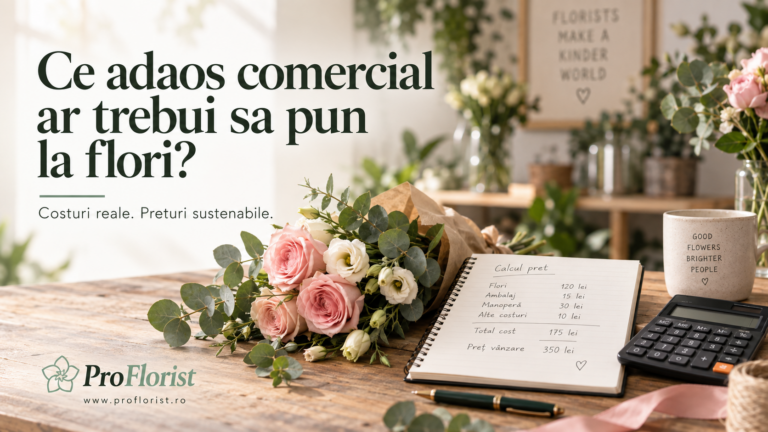
Business & Management / Florists & Stories
What commercial markup should I apply to flowers?
There is no universal commercial markup that is "correct" for all florists. A multiplier…
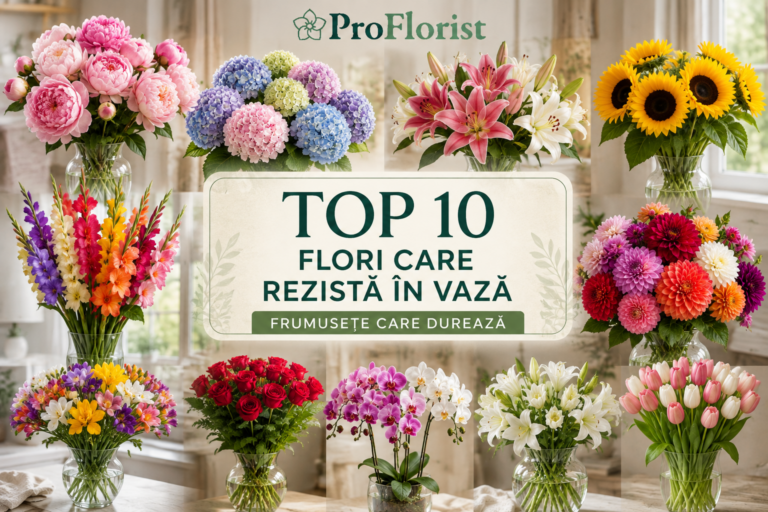
Florists & Stories / Flower Guides & Inspiration / Supply & Flower Industry
10 cut flowers that last a long time in a vase and how to extend their lifespan
Are you looking for flowers that last? Cut flowers can instantly transform a room,…