Education & Floral Design / Florists & Stories
Paula Pryke and modern floral design: lessons in creativity, business and authenticity
Paula Pryke became an influential voice in contemporary floral design. Her career offers practical lessons about developing a recognisable style, understanding the business behind the work and adapting without losing creative identity.
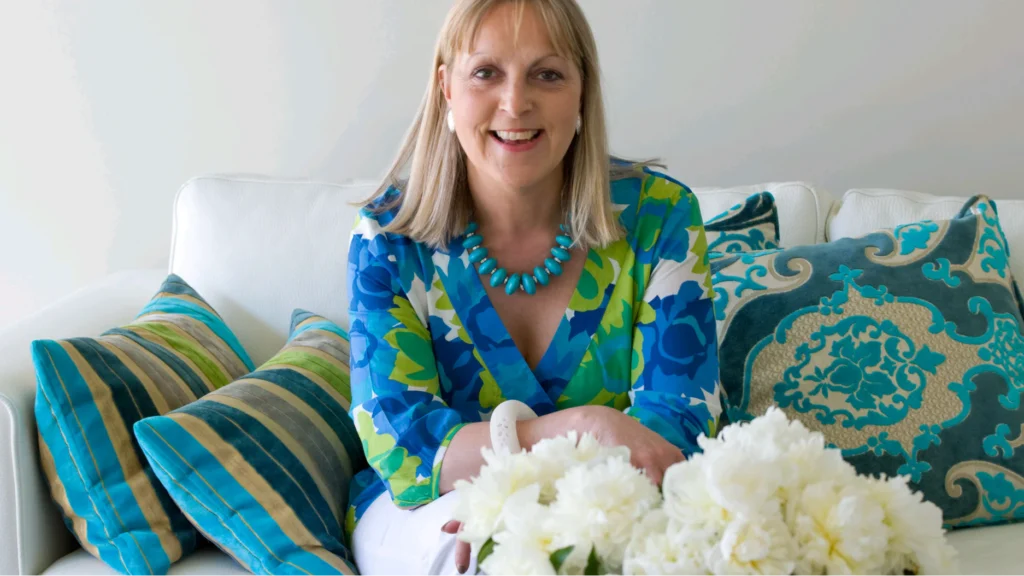
In the world of florist there are some names that have managed not only to create spectacular arrangements, but to change the way industry thinks about flowers. One of these names is Paula PrykeThe British florist became an international reference for contemporary floral design.
With a career started in London in the late 1980s, Paula turned a small flower shop into a global brand, wrote numerous books on floral design and inspired generations of florists around the world. His first book, The New Floral Artist, published in the early 1990s, sold hundreds of thousands of copies and was translated into many languages, bringing international recognition.
Today, Paula Pryke continues to work in floral design for events, consultancy, education and editorial projects, being considered one of the most influential voices in modern florists.
For the community ProfloristPaula agreed to answer some questions about her career, about changes in industry and how today’s florists can build a sustainable business.
From history teacher to one of the most famous florists in the world
Few know that Paula Pryke did not start her career in floristics. She was originally Professor of History, and moving to London was the moment that changed his life.
“I’ve always loved flowers, but I haven’t seen business potential yet. I worked as a professor in big schools in London and it was quite difficult. After a four-week course at Constance Spry Flower School I knew that this was the way I wanted to go.”
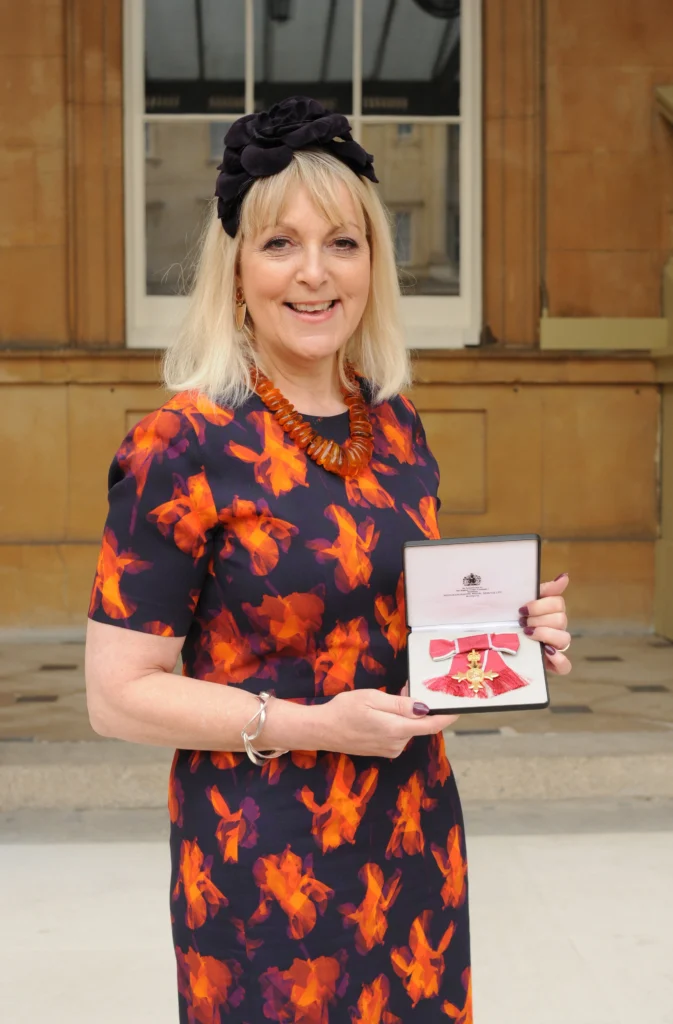
For a while he worked simultaneously in education and in a flower shop in the West End, learning practically the profession. In 1988, she and her husband decided to open first florist in Islington, London.
“Teachers were earning about 50 pounds a day back then, and we thought we were naive enough to earn the same amount every day by selling flowers.”
It was the beginning of an extraordinary story.
Early years in business: challenges that any florist recognises
Interesting is that for Paula Finding customers wasn’t the biggest problem.
“The attraction of customers was surprisingly easy, because we were offering something new and different.”
Instead, the challenges were other – many of them familiar and florists today:
- finding and training appropriate staff
- competition created by former employees opening their own businesses
- managing the stock and the waste of flowers
- constant retailing pressure
“A large display of flowers always involves losses. You don’t want to sell flowers that are no longer at full standard. The flower retailer is a risky business.”
During his career, Paula opened and closed nine floristsincluding in very prestigious locations.
How a floristry book changed her life
A decisive moment in her career was the publication of the first book.
It all started by accident.
“A first-year client was an editor and asked me to make flowers for a book she was working on. Then he asked me if I wanted to write a book about flowers. “
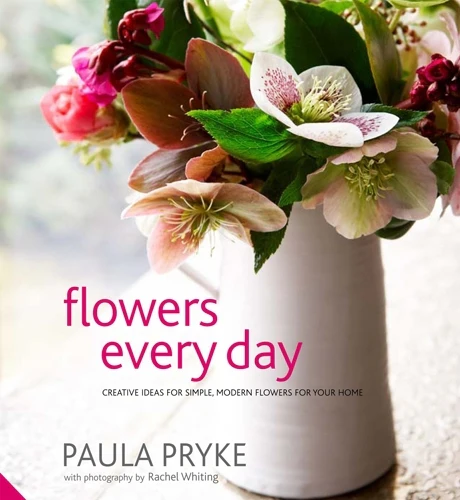
That’s how it came out. The New Floral ArtistA book that changed the way the flower arrangements were presented. Until then, most of the books were rather “crafty,” hobby oriented.
The book became an international bestseller.
The impact on his career was enormous:
- invitations for demonstrations and courses worldwide
- collaborations with global brands
- consultancy projects
- projects on cruise ships and private yachts
“The books gave me international recognition and the opportunity to experiment creatively without a client imposing limits.”
The financial mistakes that many florists make
Creativity is not enough to build a profitable business.
According to Paula Pryke, many florists face the same problem: fail to correctly charge the value of their work.
“It is hard to ask for the actual price of the product, and the costs have never been higher.”
Her experience shows that:
- flower retail is the most difficult business model
- contracts and events are more profitable
- flowers must be designed on order and clear budget
This lesson is extremely relevant to today’s florists, especially in a market where costs are constantly rising.
How the flower industry has changed in the last 30 years
Paula Pryke has seen industry move from a relatively small market to a huge global industry.
Among the most important changes, it mentions:
1. Return of local flowers – a movement that changes industry to the ground
In recent years, one of the most interesting changes in the flower industry is return of locally grown flowers. If for decades the market has been dominated by imports from the Netherlands, Africa or South America, more and more florists and customers rediscover the charm of the flowers grown near where they are used.
This trend is fuelled by several factors: concern for sustainability, desire to reduce long-distance transport and interest in seasonal flowers with personality and natural character. Instead of perfectly uniform, industrially grown bouquets, arrangements with garden flowers, organic shapes and colours that reflect the season appear more and more often.
For florists, the direct relationship with local cultivators can become a Extraordinary creative resource. Instead of working only with standard assortment available on the global market, they discover rare varieties, flowers with genuine fragrance or varieties grown in small quantities that never reach large commercial chains.
However, this change also brings challenges. Local flowers are, by definition, seasonal and limited, which means that florists have to adapt their design and offer to what nature offers at the time. For some, it may seem a limitation. For others, it is exactly what makes floral design more creative and authentic.
Paula Pryke often talks about this transformation and how it redefines the relationship between florist, nature and client. Instead of a fixed catalog of products, the flower becomes once again a seasonal art, connected to the natural rhythm of flowers.
2. Social media impact – huge visibility but also creative uniformity
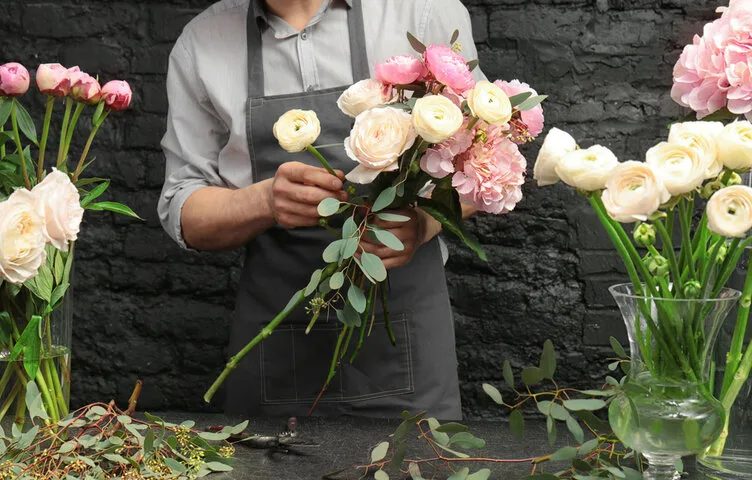
Few things have influenced the flower industry as much as social media. Platforms such as Instagram, Pinterest or TikTok have transformed flower arrangements into viral images, distributing ideas, styles and trends at an impossible pace to imagine two decades ago.
For florists, this has created extraordinary opportunities. Today, a small workshop can reach customers around the world, attract international collaborations or build a strong brand only through spectacular images. Visibility no longer depends on magazines or professional fairs – a single well-photographed arrangement can become viral overnight.
However, Paula Pryke also notes a less discussed consequence.
“Social media makes industry less creative, because people follow the same trends.”
When a particular style becomes popular online – whether it’s about “airy” arrangements, pastel pallets or sculptural structures – hundreds or even thousands of florists begin to reproduce the same aesthetic. Instead of personal interpretations, a visual uniformity effect is created.
In the past, each florist develops his style almost in isolation, influenced by the local environment, the flowers available and his own artistic sensitivity. Today, inspiration comes instantly from around the world. This may be extremely useful, but sometimes it leads to a loss of stylistic identity.
The challenge for the modern florist is therefore to use social media as an instrument of promotion and inspiration, without losing his creative voice.
3. Unrealistic customer expectations – invisible part of floral design
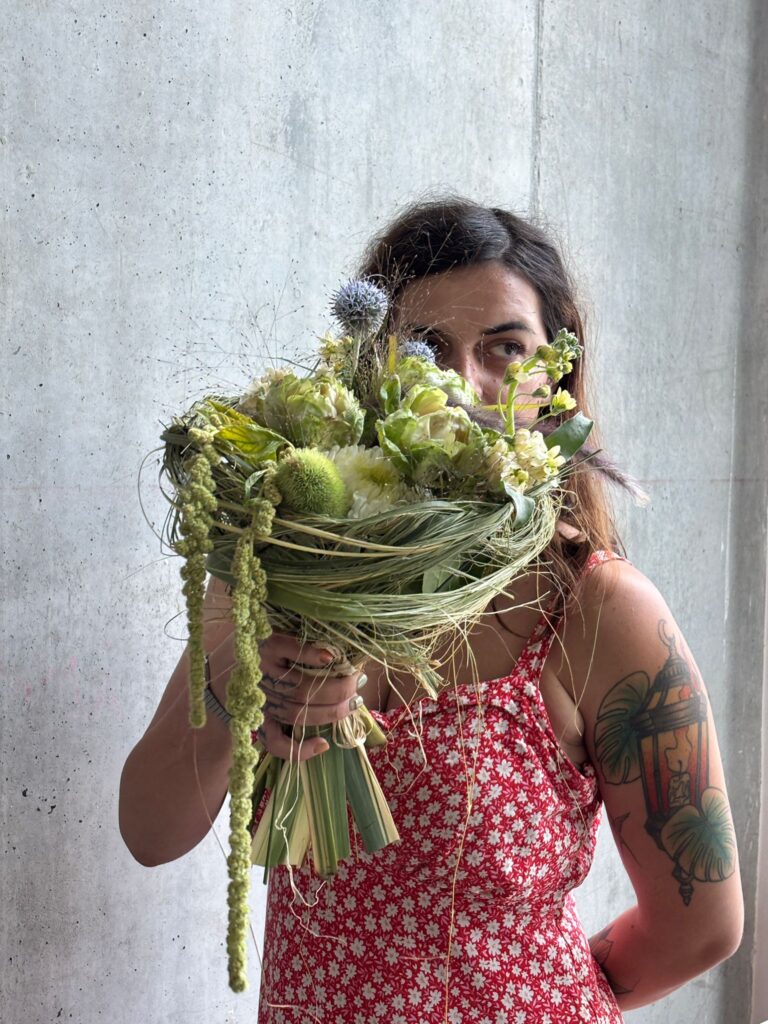
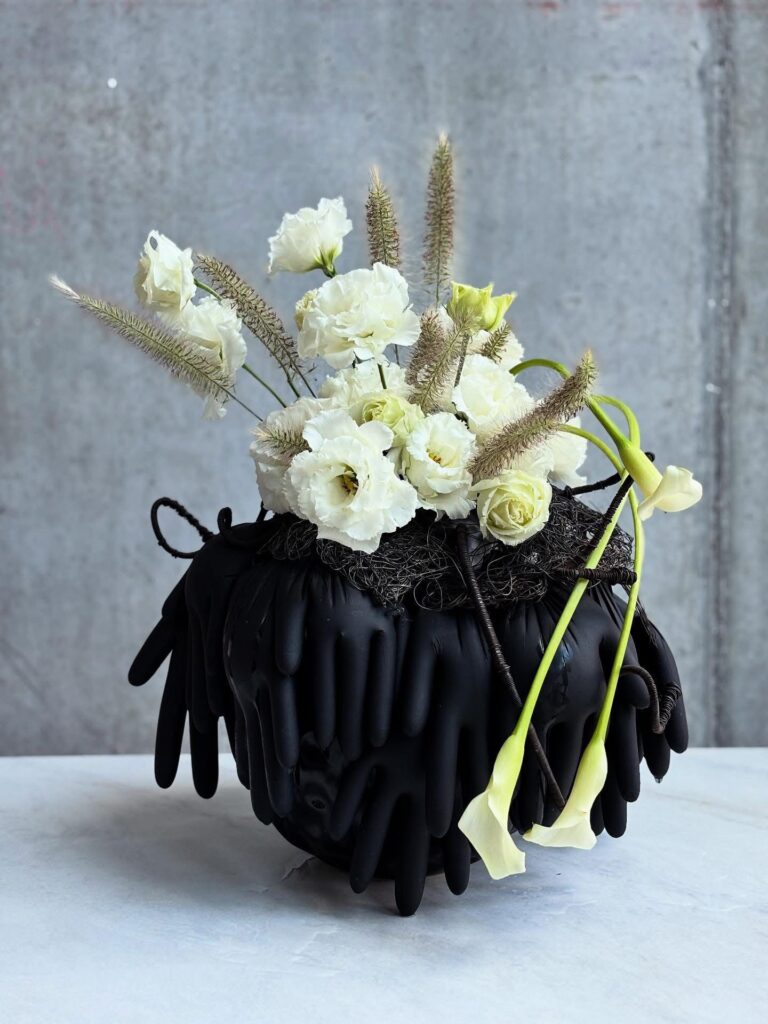
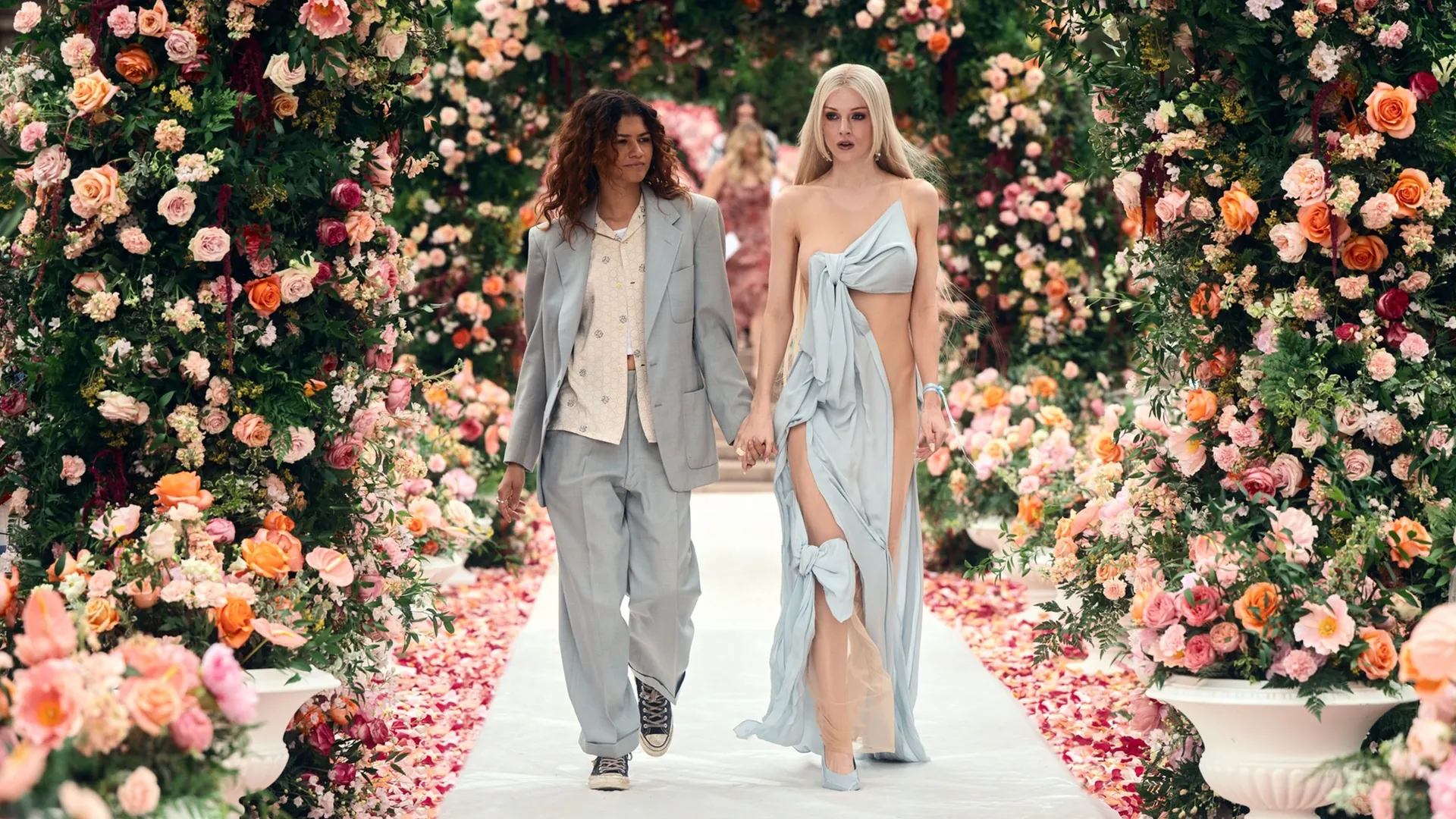
As social media popularized spectacular floral design, there was also a problem that almost every florist recognizes: unrealistic expectations of customers.
On Instagram we frequently see impressive floral installations – floral ceilings full of flowers, monumental springs, vegetable walls or massive arrangements for events. These images are made by large teams with consistent budgets and hours of work behind them.
For the regular customer, however, these details remain invisible.
Many people only see the final picture and assume that a similar arrangement can be achieved quickly and at a relatively low cost. In reality, a complex floral design involves:
- premium flowers
- Transport and logistics
- technical structure and materials
- assembly team
- specialised hours of work
For florists, one of the hardest tasks is customer education. It is not enough to create beautiful arrangements – you must also explain the value of the work behind them.
Florists who manage to do this turn the price conversation into a conversation about design, experience and visual impact.
4. The rise of wedding planners — opportunity or constraint?
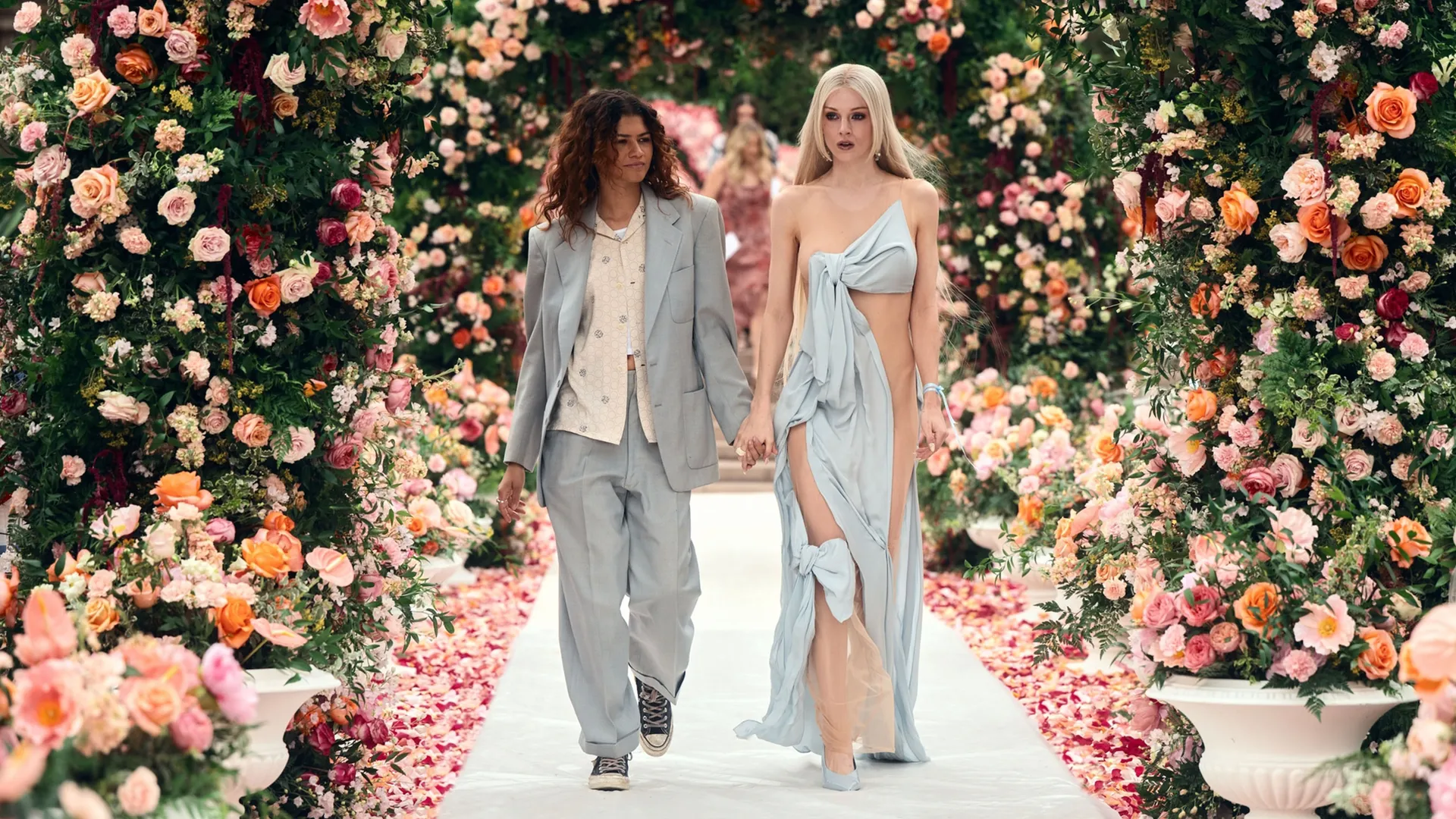
Over the past two decades, the event industry has been highly professional. In many projects, the florist no longer works directly with the bride or the final client, but with a wedding planner or event planner.
This changes the dynamics of the creative process.
On the one hand, planners can bring important advantages:
- larger budgets for floral design
- complex and spectacular projects
- professional organisation of the event
- access to premium customers
On the other hand, planners often become intermediaries who control the aesthetics of the event. Sometimes the florist must follow an already established visual concept, which can limit creative freedom.
For a floral designer, the challenge is to transform this collaboration into a real partnership. When the florist and planner work together from the concept phase, the result can be extraordinary – a coherent visual experience in which flowers play a central role.
In these circumstances, the modern florist is no longer just a provider of bouquets or arrangements, but a Designer contributing to the visual architecture of the entire event.
If you want to publish a flower book in 2025
If in the 1990s a book could transform a florist’s career, today the editorial reality is different.
Paula’s advice is clear:
“Post daily on Instagram and build a large community.”
The publishers are looking for today:
- a strong online audience
- an original visual style
- a clear brand identity
Social media, competitions or fairs? What works best
Florists today have many options to become known:
- social media
- floral competitions
- professional fairs
- books and publications
In Paula’s opinion:
- social media offers global visibility
- local fairs can bring real customers
- competitions are excellent for creativitybut it doesn’t guarantee business.
The choice depends on the type of business and the environment in which the florist works – rural or urban.
Message from Paula Pryke for florists in Romania
Finally, Paula sent a message to the Romanian florist community:
“I feel like I was lucky to start my career before social media was this big, because you could follow your own style without being influenced.”
Her advice to florists is simple and extremely valuable:
- define your style
- authentic
- investments in branding and marketing
- build real relationships with customers
But maybe the most important thing:
“Do not underestimate your work just to win projects.”
Paula also stresses the importance of sustainability in florist:
- use seasonal flowers
- adapt the offer during the year
- tell your customers that you care about nature
“As florists, we must respect nature.”
An important lesson for any florist
Paula Pryke’s career shows that florica isn’t just about nice arrangements. It’s about:
- vision
- business
- identity
- Relations with people
From a small florist in London to a global influence, her story demonstrates that her passion for flowers can become an international brand when combined with creativity, discipline and courage.
And her final message to the florists is simple:
Believe in your style and continue to evolve.
Related articles
More ideas from the same area
Business & Management / Florists & Stories
How to calculate the real margin on a flower bouquet
A practical method for calculating contribution margin from net revenue and the variable costs…
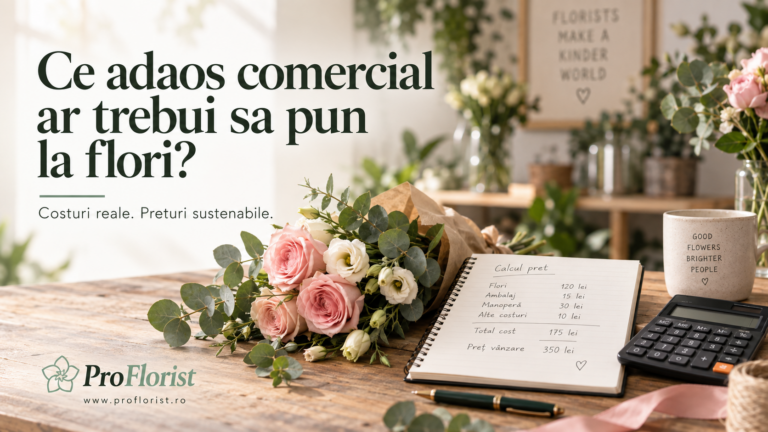
Business & Management / Florists & Stories
What commercial markup should I apply to flowers?
There is no universal commercial markup that is "correct" for all florists. A multiplier…
Business & Management / Education & Floral Design
Who sets the standard for professional floristry education in Romania?
Romania offers a growing range of floristry courses, workshops and masterclasses, yet the route…