Business & Management / Florists & Stories
A practical visibility strategy for florists in 2026
Becoming better known as a florist is not a guaranteed result of posting more often or copying current styles. A useful 2026 strategy connects a recognisable creative direction with clear positioning, an evidence-led content plan, relevant partnerships, continuing development and reliable customer service.

The flower industry and the ways people discover florists have changed over the past decade. Recommendations, trade events and editorial coverage still matter, while websites, search and social platforms have added more routes to visibility. Competition and channel relevance vary by market, so no single platform guarantees recognition.
Florists who stand out do not necessarily use the most expensive flowers or run the largest studios. They often connect creative direction, brand and communication in a coherent and repeatable way.
What might a practical visibility strategy look like for a florist in 2026?
1. Develop a recognisable creative direction
The first step is not promotion but creative identity.
When large numbers of arrangements are published every day, a consistent point of view can help people understand and remember a florist’s work. This does not require every design to look the same.
A direction may be expressed through:
- a recurring approach to composition
- a considered colour palette
- preferred flowers, materials or textures
- a natural, sculptural, abundant or minimalist treatment
Customers may look for more than the flowers themselves. They may also respond to a particular aesthetic.
Trying to offer every possible style can make positioning unclear. A defined visual direction can make a portfolio easier to recognise and recommend, while still leaving room for briefs and experimentation.
2. Treat social media as one part of the portfolio

In 2026, social platforms can be useful marketing and portfolio channels for florists, but their importance differs by audience and location. An account that supports enquiries usually needs more than a sequence of attractive images.
A useful account can act as a clear and coherent portfolio.
Depending on capacity and audience, a florist might:
- publish on a realistic schedule
- use a consistent approach to presentation
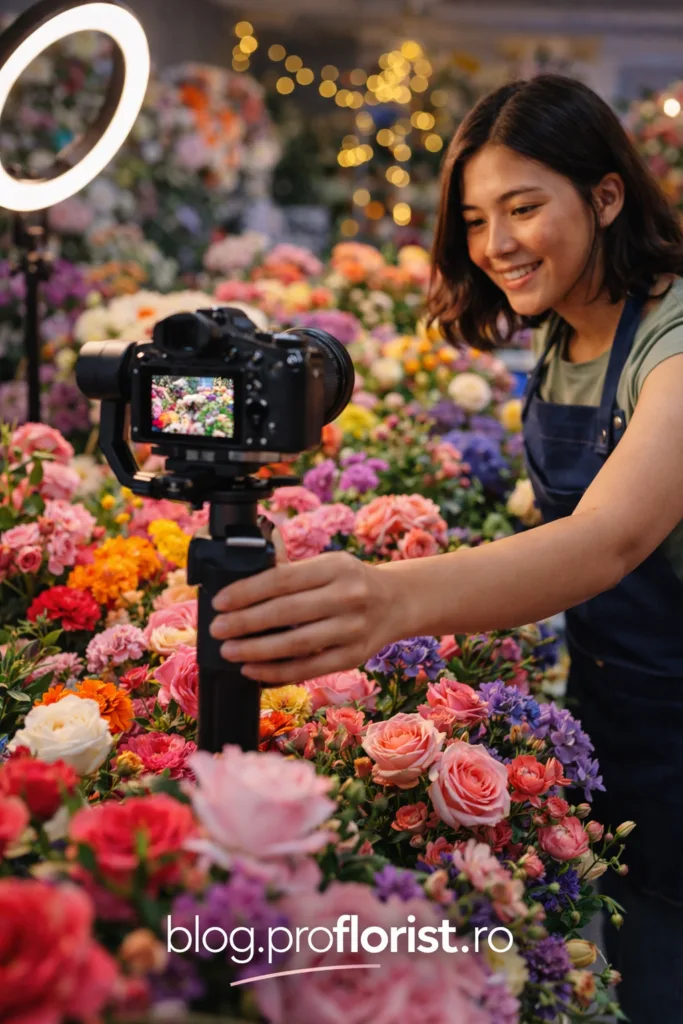
- show selected parts of the making process as well as finished work
- present real projects with permission from clients and collaborators
People may connect with both the arrangement and the story and craft behind it.
Studio details, preparation and event set-up can add useful context when they are accurate, consented and relevant. Measure whether this content produces the enquiries or relationships the business actually needs.
3. Choose a clear commercial focus
A common positioning problem is trying to communicate too many offers at once.
A florist can work across several areas, but it is often helpful to identify the primary one:
- flower retail
- weddings and events
- editorial design for publications and brands
- workshops and education
- floral design for hotels and restaurants
Each direction requires different capabilities, evidence, pricing and marketing.
For example:
- an event florist needs a portfolio that demonstrates scale, process and completed work
- a retail florist needs local discoverability, dependable service and repeat custom
- a floral educator needs demonstrable expertise, a learning offer and an engaged community
Clear positioning can make marketing decisions more focused.
4. Build relevant collaborations
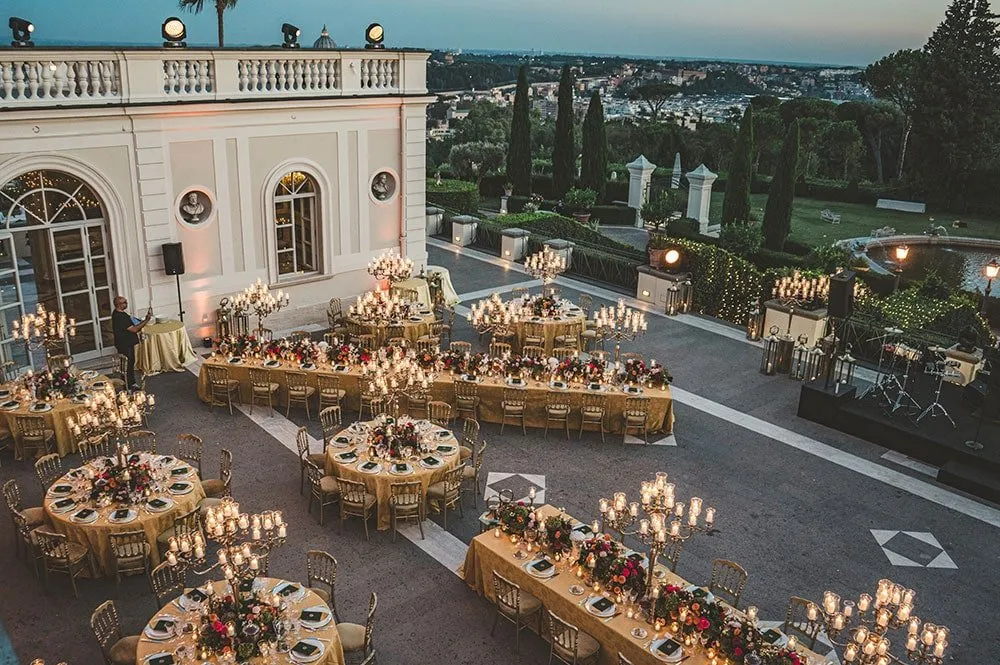
Florists rarely build visibility in isolation. They can develop networks of trusted collaborators.
Relevant partners may include:
- wedding planners
- event photographers
- interior designers
- restaurants and hotels
- corporate event organisers
These relationships may produce referrals, shared projects or useful portfolio material, but results depend on fit, consent and clearly agreed roles.
For example, working with a skilled photographer can improve documentation of a project. If both parties have permission to publish the images and agree the credit, each may share them with a relevant audience.
5. Connect branding with the delivered experience
Better-known florists are not only suppliers; some develop distinct creative brands.
Branding is more than a logo. It includes:
- a clear account of what the business does and for whom
- a coherent visual system
- a recognisable but appropriate tone of voice
- a consistent customer experience
Clients choosing higher-value work may consider service, confidence and creative fit as well as the flowers. They are buying a defined service and creative approach.
A coherent brand should therefore connect the website, packaging, photography, proposals and physical studio experience with what the team can actually deliver.
6. Continue learning and allow time to experiment
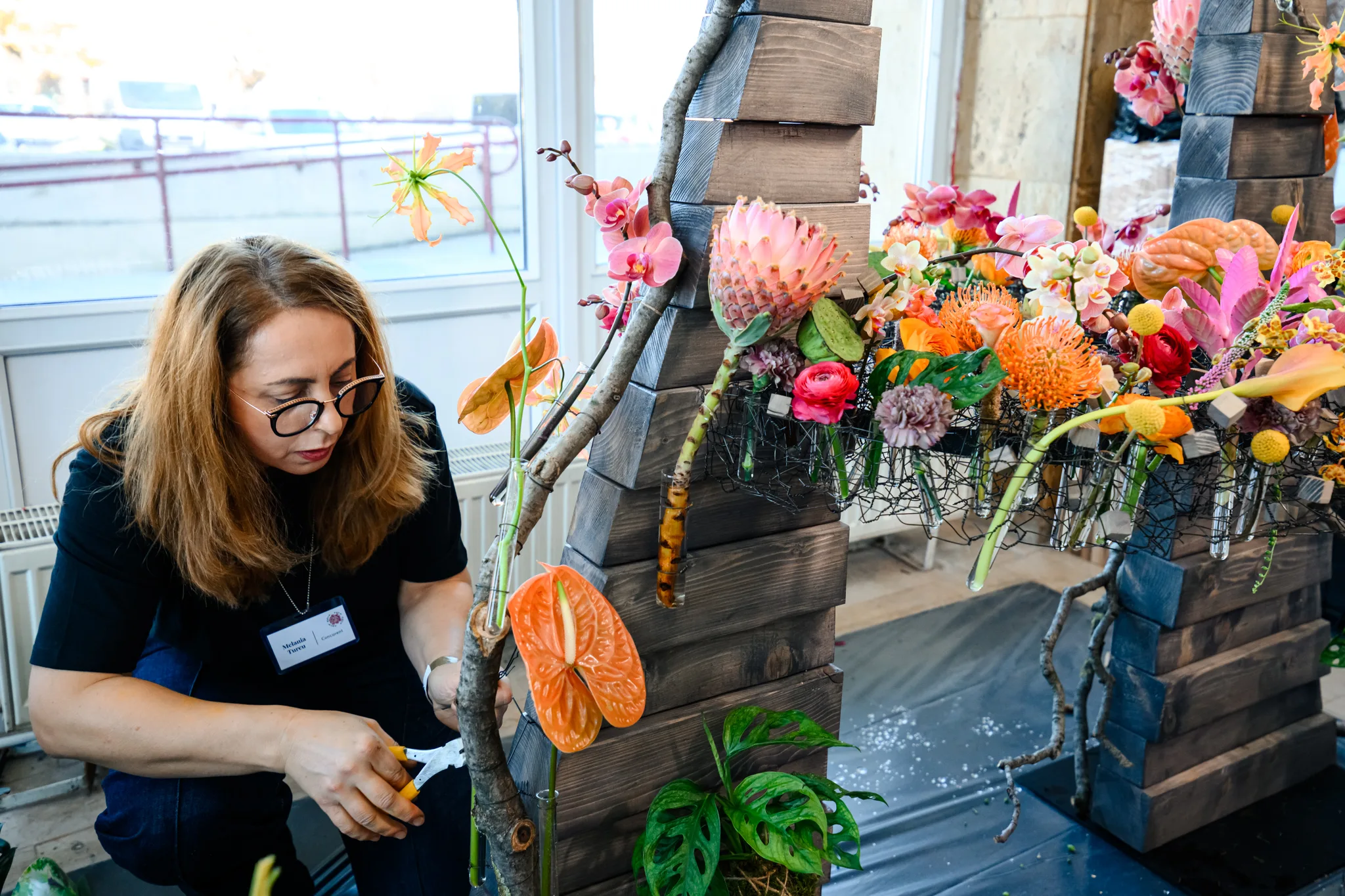


Floristry changes through new materials, techniques, tools and customer expectations.
Florists can remain professionally current by:
- attending relevant workshops
- studying work from different markets and disciplines
- experimenting safely with structures and materials
- testing ideas outside paid client work where appropriate
Some useful ideas begin as personal studio experiments.
An experiment may later inform a collection, portfolio piece or piece of content. It does not need to become “viral” to be valuable.
7. Make customer relationships part of the strategy
One durable source of reputation remains the way people are treated.
A good experience can lead to repeat work and recommendations, although neither is guaranteed.
That may involve:
- clear, professional communication
- empathy and accurate expectation-setting
- attention to agreed details
- consistent processes and quality checks
Particularly in event work, reputation can be influenced strongly by personal recommendations.
The florist of the future combines craft with business judgement
Floristry remains a creative craft, while sustainable commercial progress depends on balancing creativity with positioning, operations and evidence.
Florists who define their direction, communicate clearly, choose appropriate partnerships and deliver reliably give themselves a stronger basis for recognition. Results still depend on market, resources, timing and the quality of the work.
In an image-rich industry, an important differentiator is a credible personal point of view.
For a florist who wants to be noticed, a more useful principle than chasing every trend is:
Study trends, then create work that is genuinely your own. 🌿
Related articles
More ideas from the same area

Business & Management / Florists & Stories
How to calculate the real margin on a flower bouquet
A practical method for calculating contribution margin from net revenue and the variable costs…
Business & Management / Florists & Stories
What commercial markup should I apply to flowers?
There is no universal commercial markup that is "correct" for all florists. A multiplier…
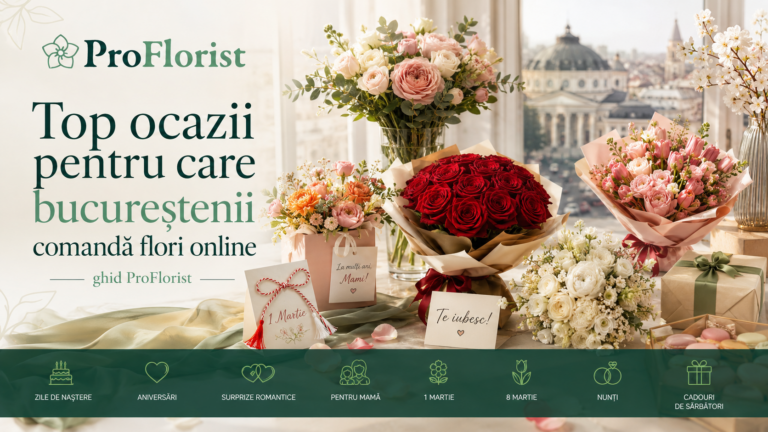
Top occasions for ordering flowers online
From birthdays and romantic gestures to seasonal celebrations and sympathy flowers, this guide explains…