Business & Management / Florists & Stories
How to start a flower shop: a practical guide for a floristry business
Opening a flower shop takes more than a passion for flowers. This practical guide covers the business model, premises, suppliers, stock, marketing, staffing and local legal checks that should be considered before launch.

Starting a florist may seem like a hard dream to achieve, but with planning and strategy, any passion for flowers can turn passion into profitable business. The article “– flower business how do I start a flower shop?” explains step by step how to open a florist company, from choosing the business type and spatial planning, to promotion, team management and building a florist community. You will find practical planning questions and examples that should be checked against the conditions in your own market.
Starting a floristry business
Opening a flower can be an exciting step for anyone who loves beauty and nature, but transforming passion into business requires careful preparation. In this article, we focus on the key issues that help you understand how to start your own flower shop, exploring the opportunities of the local market and the benefits of a flower business in your market.
The flower business is more than selling bouquets or arrangements; it is creating an experience for customers, combining creativity with professionalism. Through ProFlorist, a florist community in your market, you can access valuable resources, inspiration and support for each stage of your business.
We will look at basic steps for starting a flower business: choosing the type of flower shop, organising legal formalities, spatial planning, product and supplier selection, and marketing strategies adapted to the local market. The article also includes practical advice for team management, optimising daily operations and building a solid community of florists.
Whether you are in a large city, a smaller town or a rural area, the information provided is relevant to all those who want to develop a flower business, learn from experts and take advantage of the advantages of a network of local florists connected by technology and know-how. You will discover how to navigate challenges, maximize resources and create a memorable experience for your customers, transforming the passion for flowers into a successful business.
Choice of type of flower shop and concept definition
- Traditional Florist
- Online Florist
- Modern flower boutique
- Engross Flower Deposit
- Garden Centre
- Event Agency
Traditional flower shop or modern boutique?
The flower market varies by location, and choosing the business type is the first strategic step. Traditional florists, with a classic design and standardised assortment, have the advantage of loyalty to local customers and rapid recognition in the community. Instead, modern boutiques or concept flower stores focus on the customer’s experience, offering customized arrangements, premium products and an environment inspired by urban lifestyles. The choice between these two types depends on the target audience, the initial budget and the contractor’s vision, but also on the location of the chosen space, which can influence the visibility and traffic of customers.
Choice of niche and floral style
Defining a clear niche is essential for the success of a florist. Some flower business specializes in bouquets for events, weddings or corporate, while others can offer decorative plants and home accessories. Floral style – from classic to modern, minimalist or extravagant – must be consistent with brand identity and customer expectations. Through ProFlorist, a florist community in your market, florists can study the trends of the local and international market, accessing inspiration and examples of good practices from the florist community in your market.

Business planning and legal aspects
Business registration and required documents
To open a florist in your market, the first administrative step is to register the florist company, choosing the appropriate legal form – an appropriate local legal structure. Required documents vary by jurisdiction and may include business registration, a lease, planning consent and operating permissions. Correct planning prevents legal problems and facilitates access to partners, suppliers and financial resources.
Initial budget and sources of funding
The flower business involves investments in spatial planning, the acquisition of plants and flowers, equipment and promotional materials. Estimate of a realistic budget, together with sources of funding – own savings, credits for IMMs or grants – can determine long-term success. ProFlorist, the Romanian Florist Network, offers resources and guides for cost calculation and optimisation of expenses, which should be adapted to the costs and conditions in your own area.
Check current local business-registration requirements with a qualified adviser
Spatial planning and customer experience
Design and product arrangement
A well-organized and attractive space stimulates sales and customer experience. Florists in your market take advantage of interior design to create thematic areas: seasonal bouquets, decorative plants, home accessories and gifts. Enlightenment, colours and display of products influence customer perception and increase store time, which can lead to additional purchases.
Complementary services and experiences
Modern florists don’t just sell flowers. Services such as home deliveries, event consultancy, workshops for flower arrangements and monthly subscriptions for bouquets increase the attractiveness of the business and loyalty of customers. The ProFlorist platform facilitates the integration of these services, connecting florists to a community of professionals and customers across the country.
Product selection and stock management
Choice of local and international suppliers
For a successful flower business, the quality and diversity of products are crucial. Florists in your market can opt for local suppliers that offer freshness and stability, or for imports that bring variety and exclusivity. Collaboration with reliable suppliers and constant stock monitoring guarantee product availability and avoid losses.
Stock management and seasonality
Flowers and plants are products sensitive to storage and seasonal conditions. The efficient organisation of the stock, planning of orders according to events and season and monitoring the expiry of products help maintain quality and reduce financial risks.
Marketing and promotion of the florist
Building an online presence
A strong online presence is essential for attracting customers from large and small cities in your market. Creating a website, social media accounts, helps florists communicate useful offers, news and advice to customers, strengthening brand reputation and visibility.
Collaborations and networking in the florist community
Participation in the professional florist community, through dedicated platforms, fairs and workshops, brings opportunities for collaboration, exchange of experience and increasing notoriety. Influencer marketing and local collaborations contribute to promoting the business and attracting a faithful audience interested in quality products and services.
Model luxury florist arranged by the founder of ProFlorist community:
Team management and business development
Employment and training of staff
The success of a florist depends on his team. The choice of employees passionate about flowers, their training in arrangements, services and customer relations is essential for creating a memorable experience. A well-trained team reduces risks and increases operational efficiency.
Scale of business and expansion of services
Once the flower shop is stabilized, further services, opening new points or implementing a subscription system can be considered. Various platforms in the field support these stages, providing resources and tools for managing multiple locations, optimising operations and connecting to a national network of florists. On ProFlorist we also publish a complete calendar of events and fairs dedicated to the floral industry, at international level.
Trends and innovations in the flower industry
Local and international trends
Florists must pay attention to the trends of floral design, colours, flower types and presentation, adapting to the needs of local customers and to international influences. Participation in fairs and events helps maintain competitiveness and market relevance.
Technology and digitisation in florists
Digital applications and platforms facilitate the management of orders, stocks and marketing. Digitalization enables sales monitoring, customer preferences analysis and efficient campaigns for flower business, supporting the sustainable development of local florists.
What legal steps should I check before opening a flower shop?
Before opening, choose an appropriate local legal structure, register the business and obtain any licences or permissions required in your area. Have the lease, planning, tax, employment and consumer obligations checked by qualified local advisers.
What are the initial costs of opening a florist?
The initial investment includes spatial planning, the purchase of flowers and plants, equipment, promotional materials and administrative costs. The budget may vary depending on the type of flower shop and location.
How do I choose the right suppliers for my flower shop?
The choice of trusted local and international suppliers is essential for the quality and diversity of products. Florists must check the freshness of flowers, seasonal availability and delivery times. Through ProFlorist, you can access suppliers’ recommendations and contacts so that your flower business offers customers constant quality experiences.
What additional services can make a florist attractive?
In addition to the sale of flowers and plants, home delivery services, advice for events, workshops of arrangements and monthly subscriptions for bouquets increase customer loyalty. The ProFlorist community facilitates the integration of these services by connecting florists with a national community of professionals and interested customers of quality and originality.
How can I effectively promote my flower shop in your market?
Effective promotion involves creating a solid online presence through website and social media accounts, participation in communities of florists, fairs and workshops. Local collaborations and influencing marketing contribute to increasing notoriety. In the Proflorist Florist community you have access to tools and resources for promoting the flower business professionally and for connecting with customers across the country.
How do I manage the stock and seasonal flowers?
Stock management involves monitoring product levels, planned seasonal orders and keeping flowers in optimal conditions.
Plan the next steps for your flower business
For more details or personalized support, you can contact us by email at the contact details on the local ProFlorist website. Sign up today in the ProFlorist flower community – where we support each other to increase the flower industry in your market – and turn your dream into a successful flower shop!
You might also be interested:
Related articles
More ideas from the same area
Business & Management / Florists & Stories
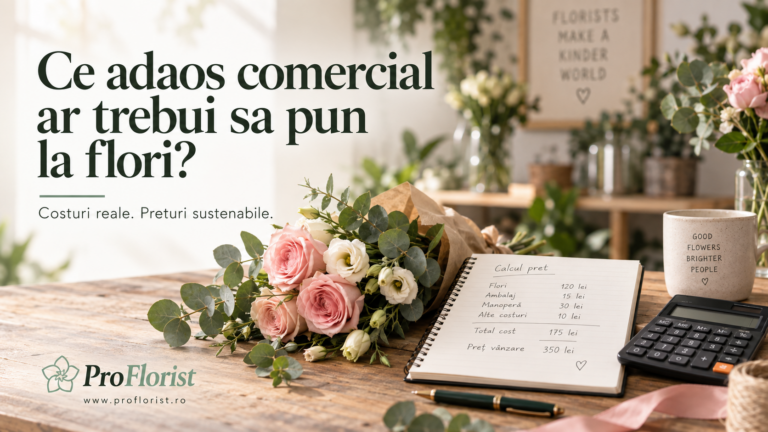
What commercial markup should I apply to flowers?
There is no universal commercial markup that is "correct" for all florists. A multiplier…

Business & Management / Florists & Stories
How to calculate the real margin on a flower bouquet
A practical method for calculating contribution margin from net revenue and the variable costs…
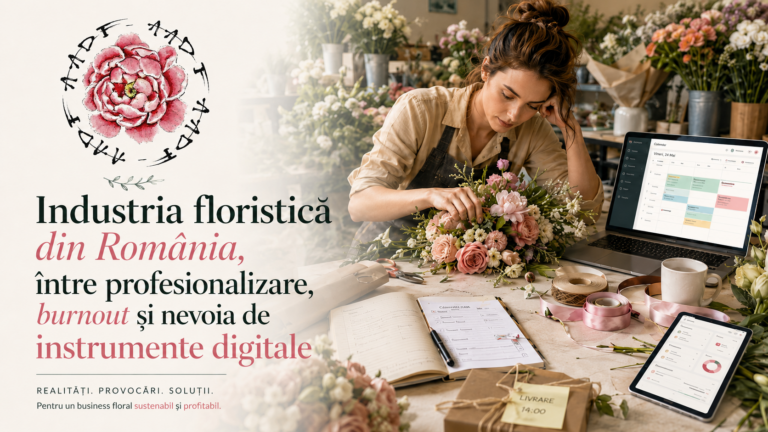
Romanian florists: professional standards, burnout and the need for digital tools
This continuation of the AADF discussion looks beyond polished bouquets and social-media images to…