Ionuț Cârjan (Flexyno): a florist who reached the international stage and still looks towards Romania
A profile of Ionuț Cârjan, known as Flexyno, exploring the discipline, respect, apprenticeship and artistic vision that he says have shaped more than two decades in floristry.
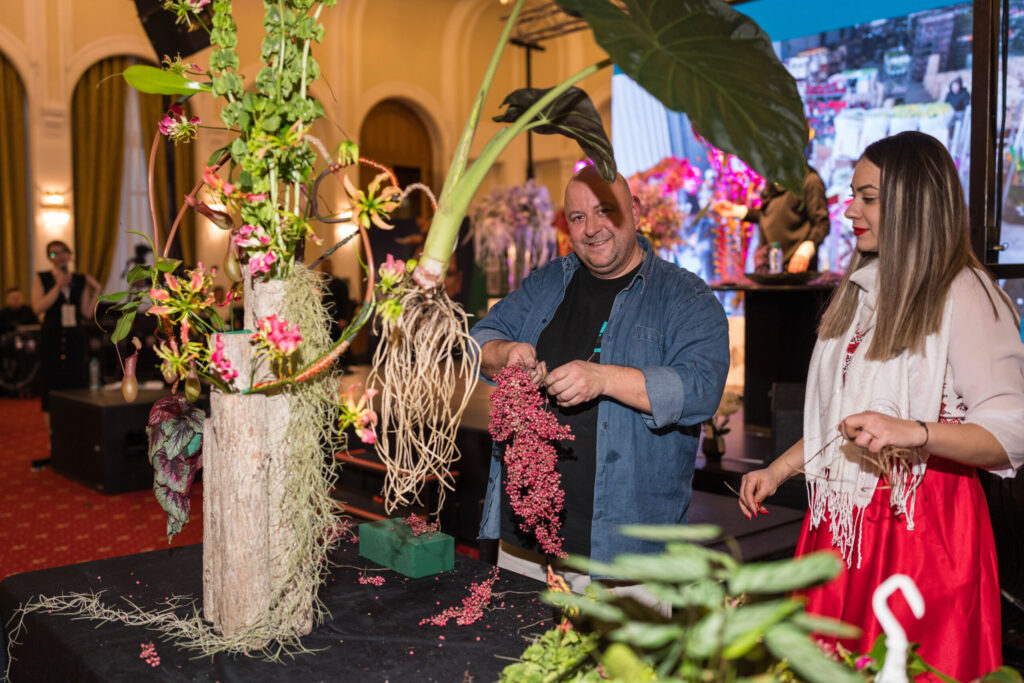
This profile marks the birthday of Ionuț Cârjan. It looks beyond his public identity as a florist and industry figure to the work, discipline and modesty that, in the interview, he says shaped his path.
His name is associated with ambitious projects, premium events and extensive professional experience. Cârjan has long been publicly linked with Ceccotti Flowers in Rome and often appears as Flexyno, an alias recognised in parts of the international floral community. These biographical details reflect the cited profiles and should be read in their publication context.
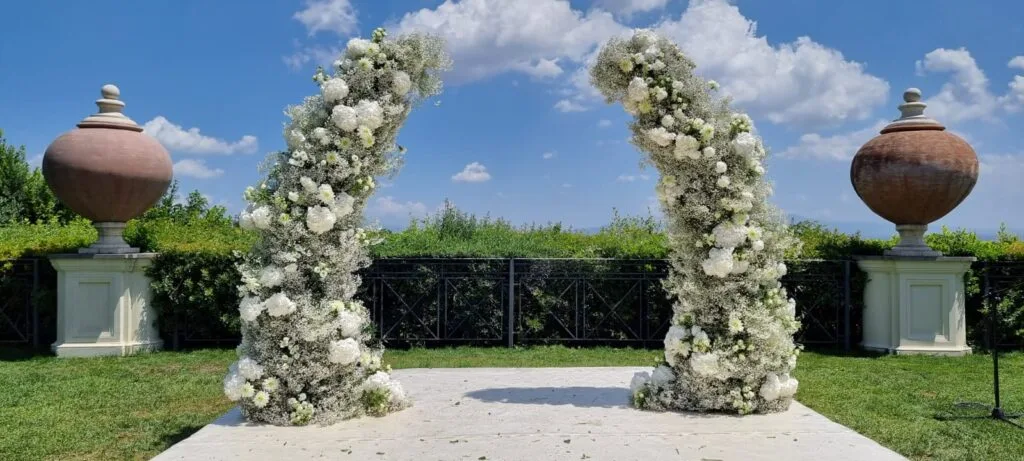
Beyond the CV, events and major clients lies a more important theme: how he speaks about work, respect, apprenticeship and the responsibility to help others progress. In a market preoccupied with style, trends and success, Cârjan’s answers bring character to the foreground.
This is not only a story about a successful florist. It is an interview with someone who says he has worked at a high international level while continuing to believe in Romania’s potential and in sharing lessons from more than two decades of practice.
Connect with Flexyno:
https://www.instagram.com/flexyno_official
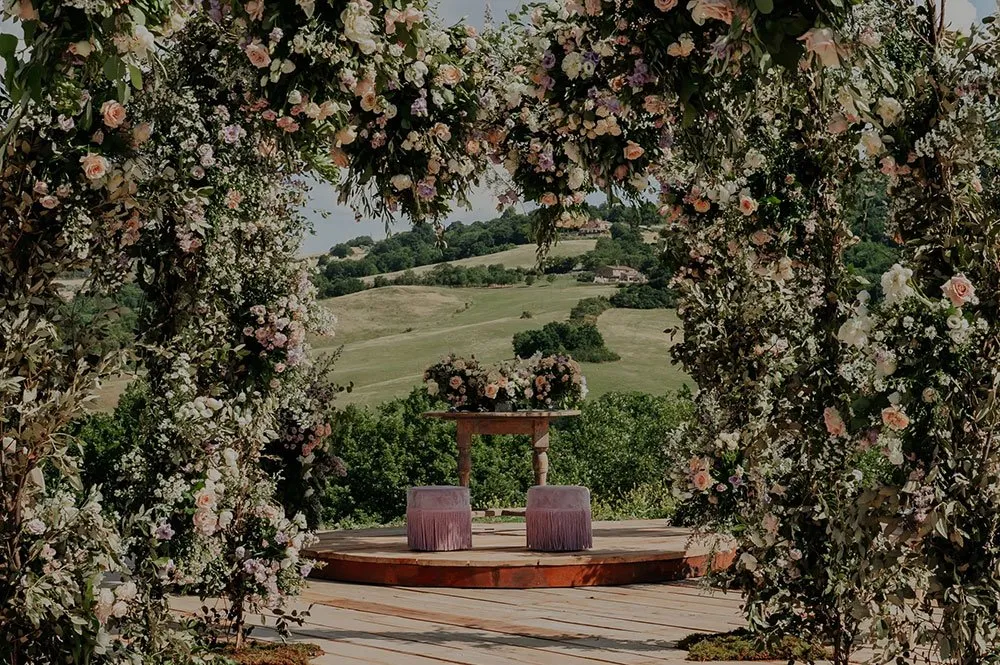
Where the name Flexyno came from
Before “Flexyno” became a familiar name in floristry, it was a nickname from another period of his life. That gives the story its charm: the name was not manufactured as a branding exercise, but stayed with him because it reflected something authentic.
Cârjan recalls that, years ago, when he was a DJ in Romania, he trained regularly and bought FLEX magazine, a publication associated with bodybuilding. He followed competitions and admired the discipline and world of physical and mental performance. The nickname grew from there.
“It has no direct connection with flowers,” he says with a laugh. That contrast is part of the appeal.
Look more closely, however, and there is a link: strength, rigour, construction, endurance and close attention to detail. In a different form, those qualities also define his current work. A spectacular floral installation needs sensitivity and aesthetic judgement, but also stamina, organisation, clear thinking and much unseen labour.
“Flexyno” is therefore more than a memorable name. It connects the discipline of physical performance with an ephemeral art and, in the interviewer’s view, describes him well.
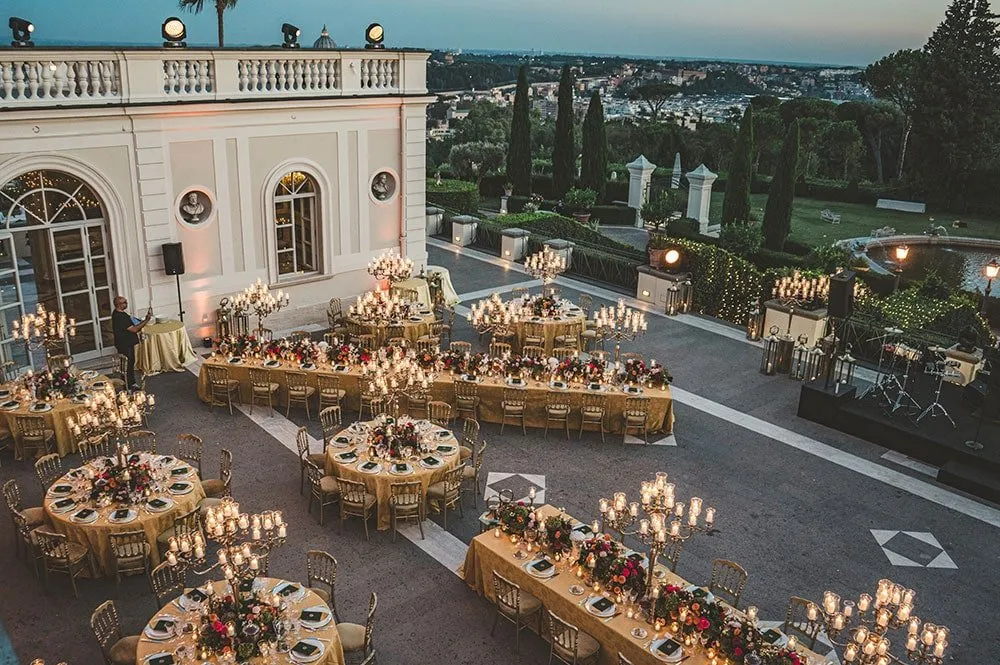
“The greatest truth? Respect.”
In an industry where conversations often centre on design, trends and budgets, Cârjan moves the discussion towards something less spectacular but more fundamental: relationships between people.
Asked what the Romanian floral industry still needs to understand, he did not answer with rare flowers, logistics or marketing. He spoke about professionalism and respect.
“The greatest truth about the floral industry in Romania and elsewhere is the need for professionalism and mutual respect between florist and client, wedding planner and everyone involved, and to treat every event as if it were your own.”
The answer sounds simple, but many practical problems begin with haste, compromise, weak accountability, superficial delivery or promises made too easily and completed without equal care.
At the premium end of floristry, respect is not merely good behaviour; it supports the entire process. Without it, trust is lost, and without trust, lasting collaboration becomes difficult.
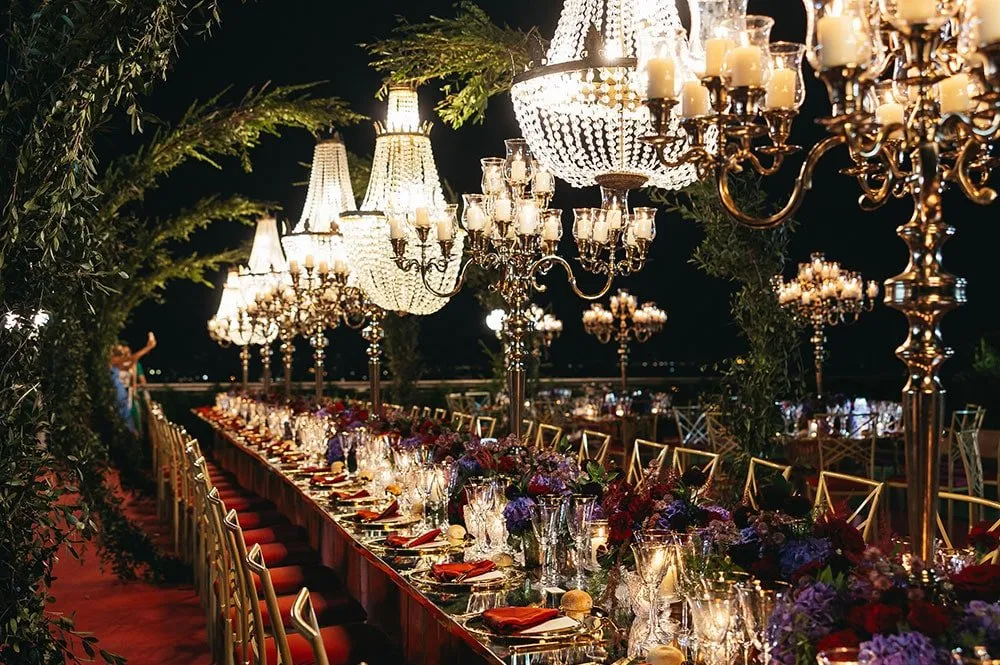
Luxury floristry is not simply about money: it is about execution, vision and control
From outside, premium floristry can look like a more expensive version of the same industry: more flowers, more volume and more decoration. For someone working inside it, the differences can be much deeper.
Cârjan describes this field as “a real adventure” and “another world”. In his account, the principal difference is not money but the standard of execution and the thinking behind every element.
A floral artist in this context works not only with flowers, but with place, emotion, space, high expectations and the duty to turn an idea into a coherent experience. Theme, venue, client, wedding planner and budget must all be respected without losing the artistic dimension.
Producing “something beautiful” is not enough. The aim is to create something memorable, and that level of expectation changes the work.
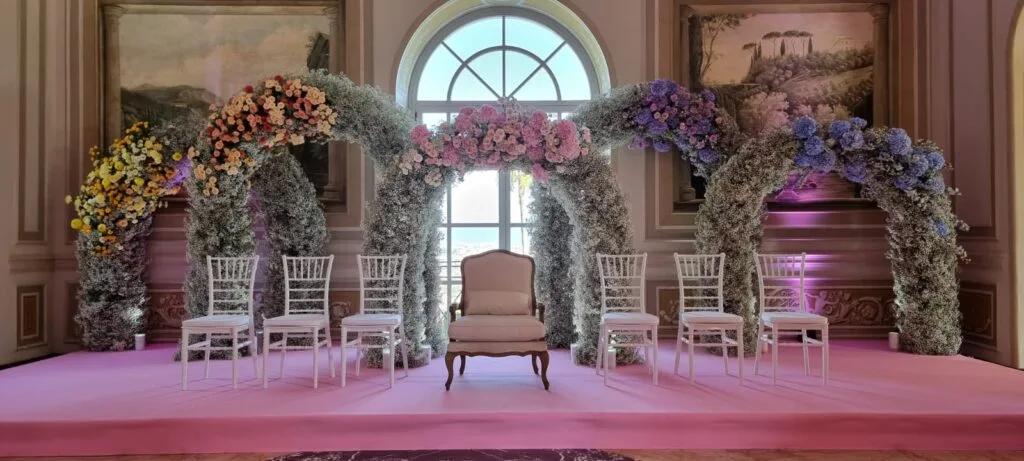
“Floristry is 100% art” — and the difficult conversation that follows
One of the interview’s strongest and most provocative statements is Cârjan’s view that “Floristry is 100% an art … but in the past 20 years a fog has formed in which money is more visible than art.”
At a time when the industry is often discussed through costs, margins, sales and conversions, defending floristry as art may sound idealistic. For Cârjan, however, it is a professional principle rather than a romantic claim.
He argues that money has increasingly obscured the art and that florists can lose direction when they focus on earnings too early or too exclusively.
The observation may be uncomfortable, which is precisely why it deserves consideration.
There is a substantial difference between building a healthy business and allowing commercial logic to empty a craft of meaning. At its highest level, floristry begins with sensitivity, vision and the ability to transform material into emotion.
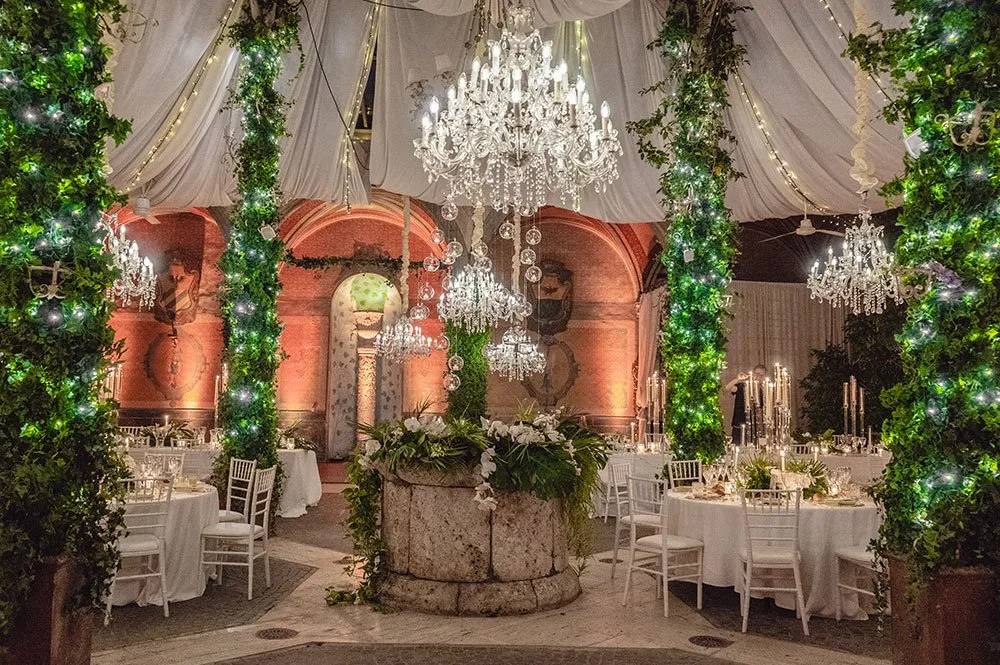
What a florist should not do at the beginning
Creative industries inevitably tempt people with shortcuts. In floristry, one such shortcut is the illusion that professional development can be imitated through visibility, image or association.
Cârjan is clear about what a beginner should avoid: moving from course to course merely to take a photograph with a recognised artist. “Do not attend courses only for the sake of taking a picture with an artist.”
His message is not against training, but against superficiality and the promise of validation without work. In his view, a serious florist must have the courage to begin at the bottom, accept apprenticeship and follow a personal path without constantly comparing it with others.
It is an argument for slow development, patience and learning without pretending to have already arrived.
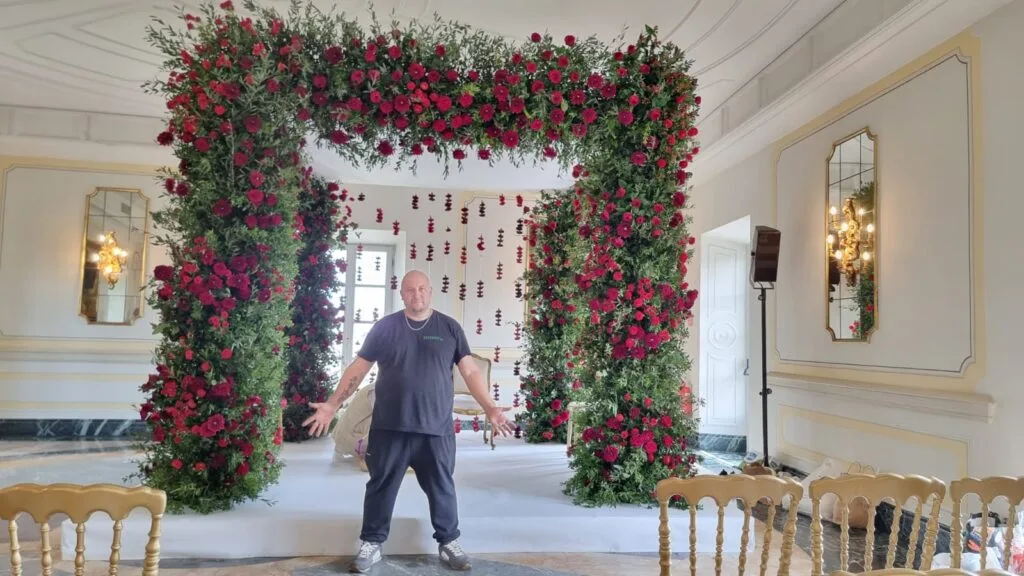
Forty-one services in one day: the unseen side of performance
The beauty of the final result can conceal the logistical and emotional pressure behind it. The public sees perfect tables, ambitious structures, light, atmosphere and flowers. It does not see fatigue, exhaustion or the limits being tested.
Cârjan describes an extreme point in his career: one day with 41 “services”, as he calls them, handled by a team of more than 15 florists after over 36 hours of almost continuous work. These figures are his recollection in the interview and have not been independently audited.
“We had 41 services in one day … more than 15 exhausted florists after 36 hours of continuous work. I found the strength to rebuild the team … and at three the next morning, we began again.”
The account reveals an aspect of the profession hidden by polished images: complex floristry also demands organisation, leadership, psychological resilience and the ability to support a team under severe pressure.
The episode should not romanticise unsafe hours or exhaustion. Its professional lesson is the need for responsibility, realistic scheduling, adequate staffing, rest and a plan for recovering the team.
That is where talent must be matched by the capacity to organise and protect the people delivering the work.
What gives a flower value?
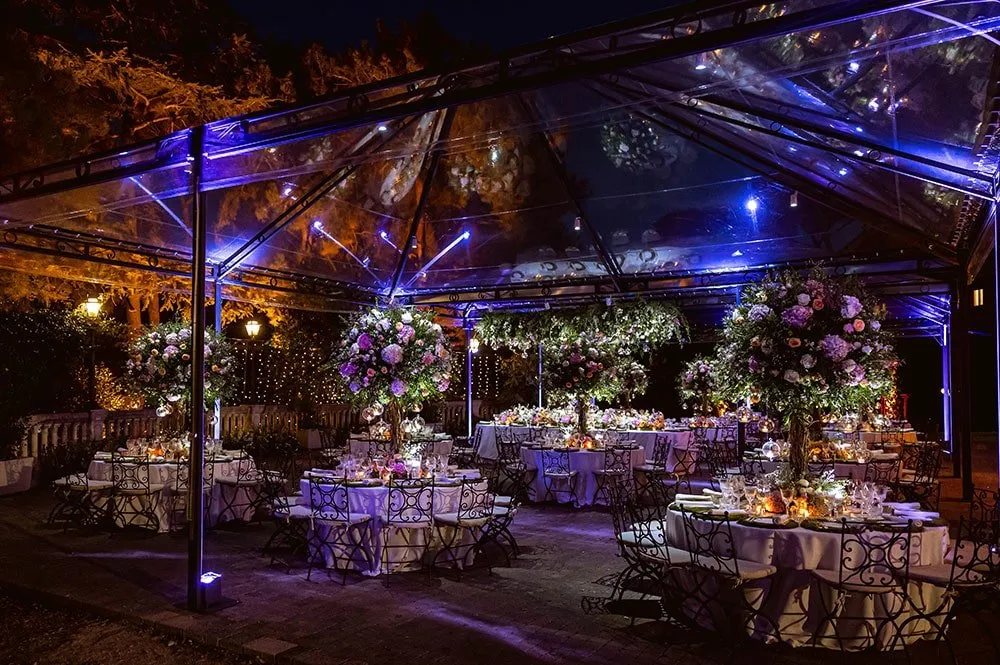
A simple question opens one of floristry’s most important themes: what makes a flower valuable?
Price? Rarity? Origin? Exclusivity?
“The value of a flower is given by the artist’s hand.”
Cârjan’s answer is that value comes from the artist’s treatment: how the flower is imagined, integrated, placed in context and transformed.
A flower bought at an ordinary wholesale price may become part of an environment in which its perceived value rises dramatically. That does not mean an objectively guaranteed tenfold or twentyfold financial return; it means that design and context can change how the material is experienced.
It is a compelling definition of the florist’s craft: value is created not only through material, but through interpretation.
Why he continues to look towards Romania
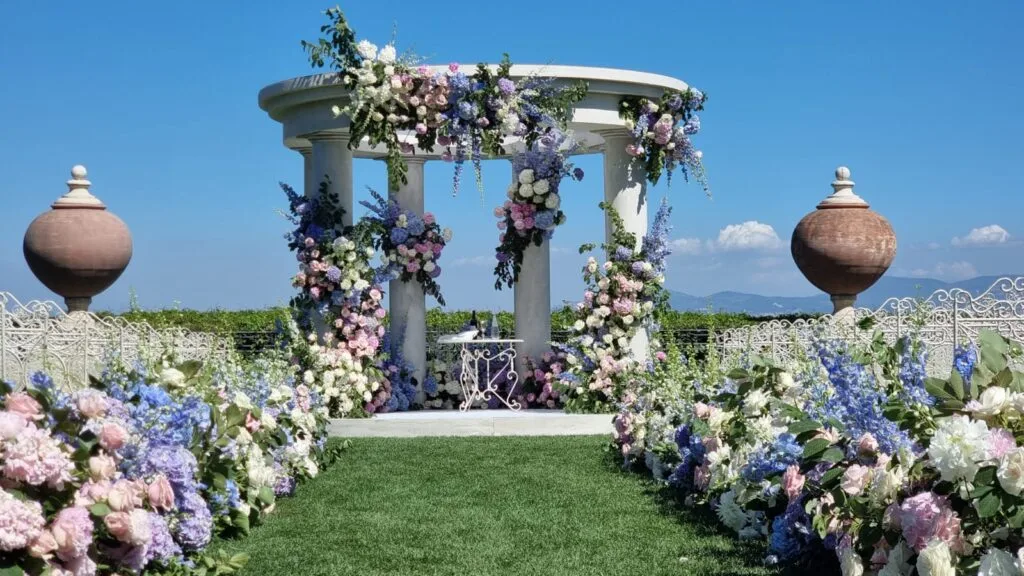
The most emotional part of the conversation is not about major clients or impressive projects, but his choice to remain connected with Romania and contribute to the industry there.
Cârjan says he wants to share experience gathered over more than 22 years and show Romanian colleagues new ways of thinking, techniques, perspectives and directions. The duration is his stated career history. His tone in the interview is not one of superiority, but of confidence in the market’s potential.
This challenges the idea that real performance exists only abroad or that Romanian floristry should be reduced to familiar clichés.
In his assessment, Romania is well regarded, and European peers associate Romanian florists with creativity and inventiveness. This is his professional opinion, not a measured ranking of the market.
“We are not at a low level. We are well placed … and Europe sees us as creative and inventive.”
The thought is worth retaining not as complacency, but as mature confidence in an industry with reasons to believe in its own capability.
More than a leading florist
The interview leaves an impression not only of the level at which Cârjan says he has worked, but of the way he speaks about work, people and responsibility.
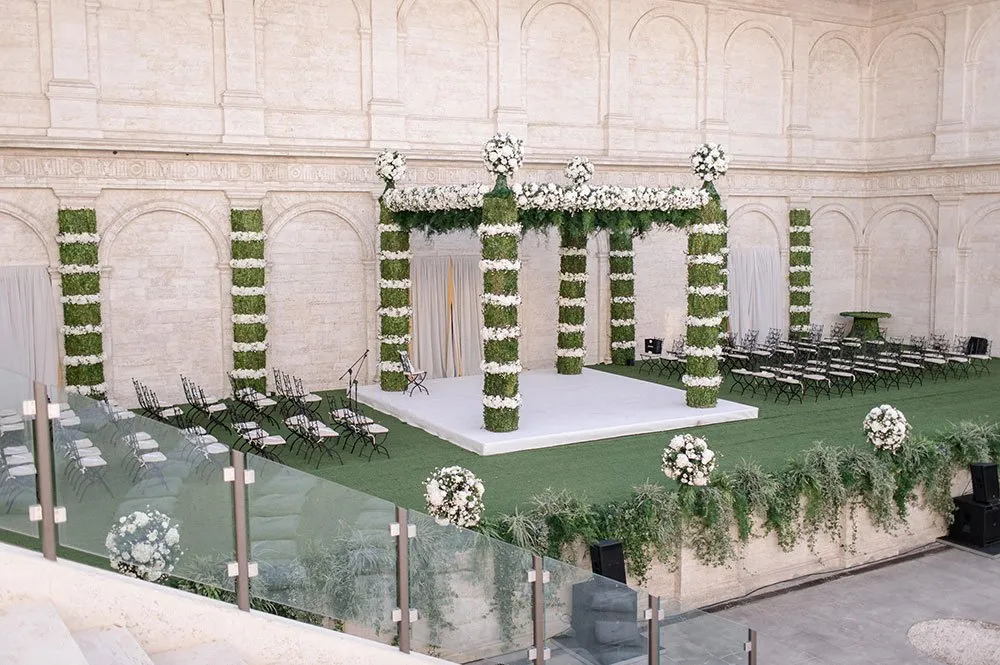
In a field where image can easily dominate, he emphasises things that are harder to photograph: discipline, professionalism, apprenticeship, respect, unseen effort and a duty to pass knowledge on.
That may be the most fitting way to mark his birthday: not only with good wishes, but by giving attention to a voice that invites serious reflection.
“Good luck to everyone, and come on Romania!”
— Ionuț Cârjan (Flexyno)
Related articles
More ideas from the same area

Business & Management / Florists & Stories
How to calculate the real margin on a flower bouquet
A practical method for calculating contribution margin from net revenue and the variable costs…
Business & Management / Florists & Stories
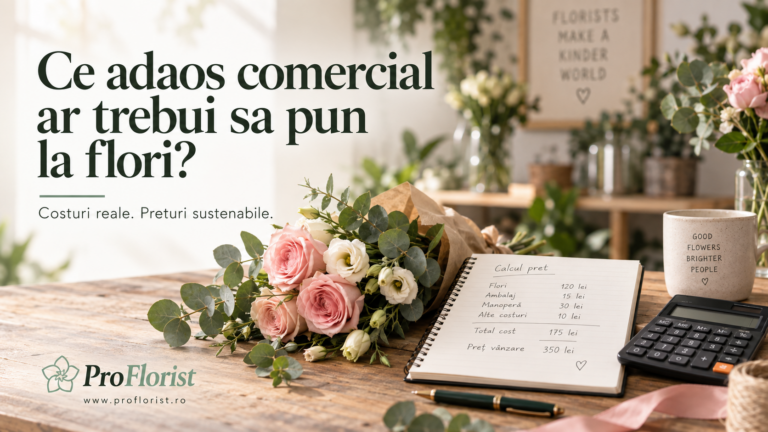
What commercial markup should I apply to flowers?
There is no universal commercial markup that is "correct" for all florists. A multiplier…
Business & Management / Florists & Stories
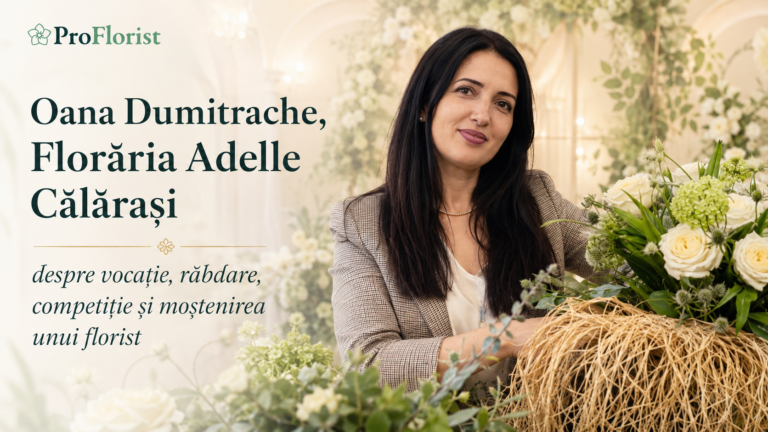
Oana Dumitrache of Florăria Adelle Călărași on vocation, competition and a florist’s legacy
An interview with Oana Dumitrache of Florăria Adelle in Călărași about creative practice, business,…