Business & Management / Florists & Stories / Marketing & Sales
Today’s flower shop is also about business decisions: an interview with John Buskermolen
John Buskermolen of Waterdrinker discusses supply, differentiation, costs and structured growth. His answers are presented as attributed professional perspective, with commercial claims qualified for local verification.
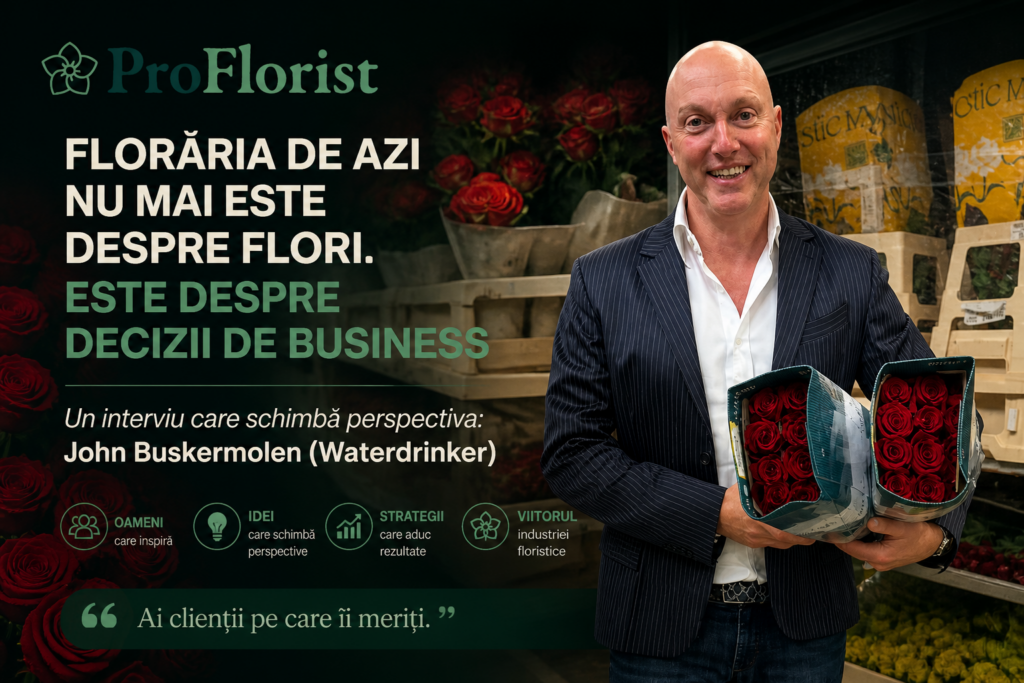
An interview about floristry and business decisions: John Buskermolen
Floristry businesses face changing costs, margins, customer expectations and competition. The scale and effect differ by market, so these observations are industry perspective rather than universal measurement.
People continue to value beauty and emotion, while the ways flowers are discovered, bought and sold evolve.
In this published interview, John Buskermolen, Sales Manager at Waterdrinker , discusses supply, differentiation and business discipline. His answers represent his professional views and his company’s commercial context.
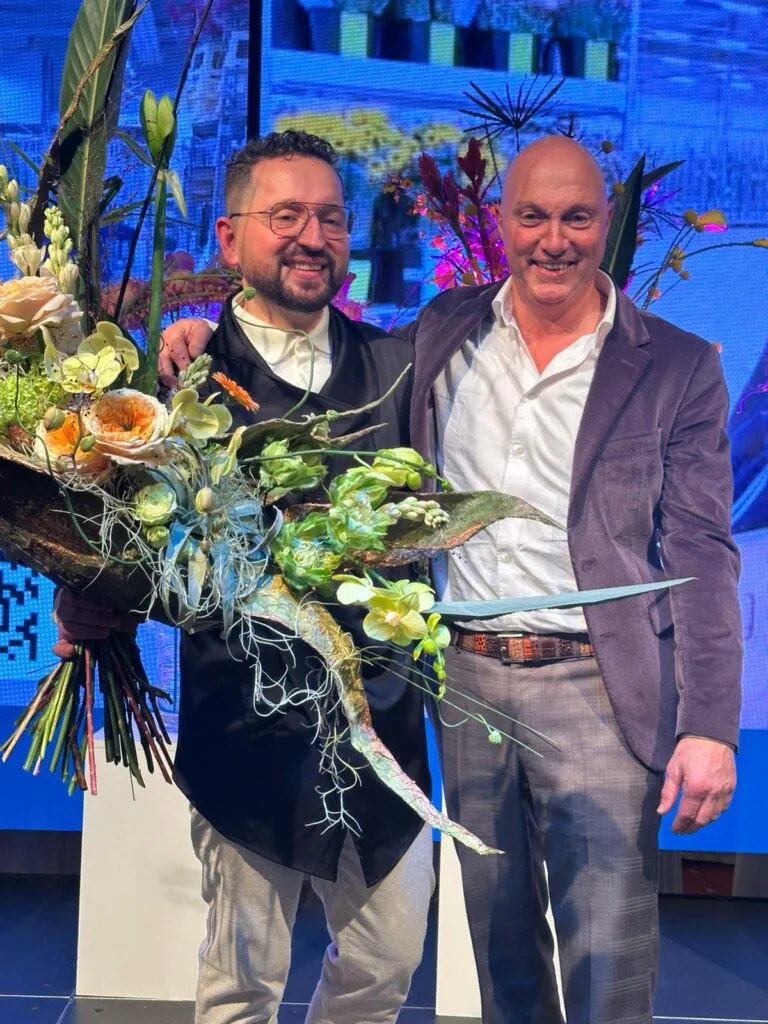
1. Looking back over your career, which moments most shaped your view of floriculture?
Answer: For me, it was mainly the people — their passion for plants and flowers. The future lies in connecting people and sharing knowledge: florists creating every day, often under pressure, and growers working with care and commitment.
I see how hard people work, often at unusual hours, and how little time remains for development. That led to my conviction that processes need to become smarter and simpler, creating room for passion, creativity and craftsmanship.
I want to make florists’ lives easier, support them and help them distinguish their work through trends, new products, specialities and fresh products.
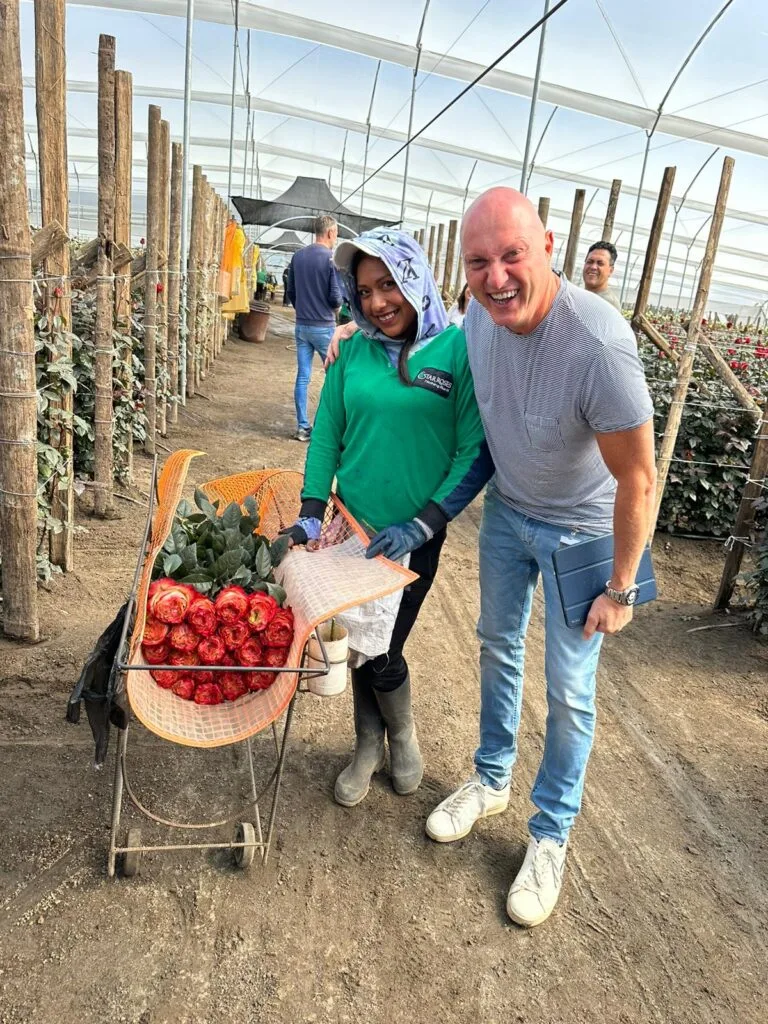
2. What is the biggest misunderstanding florists have about this part of the sector?
Answer: Many florists think they are too small to make a difference. Buskermolen argues that operating at scale can support the best products, pricing and new lines, while growers seek security and stability for what they produce. This is his commercial perspective; actual benefits depend on the market and agreement.
We understand long working days and margin pressure. We want to use our scale to offer florists a clear assortment, freshness commitments and practical support.
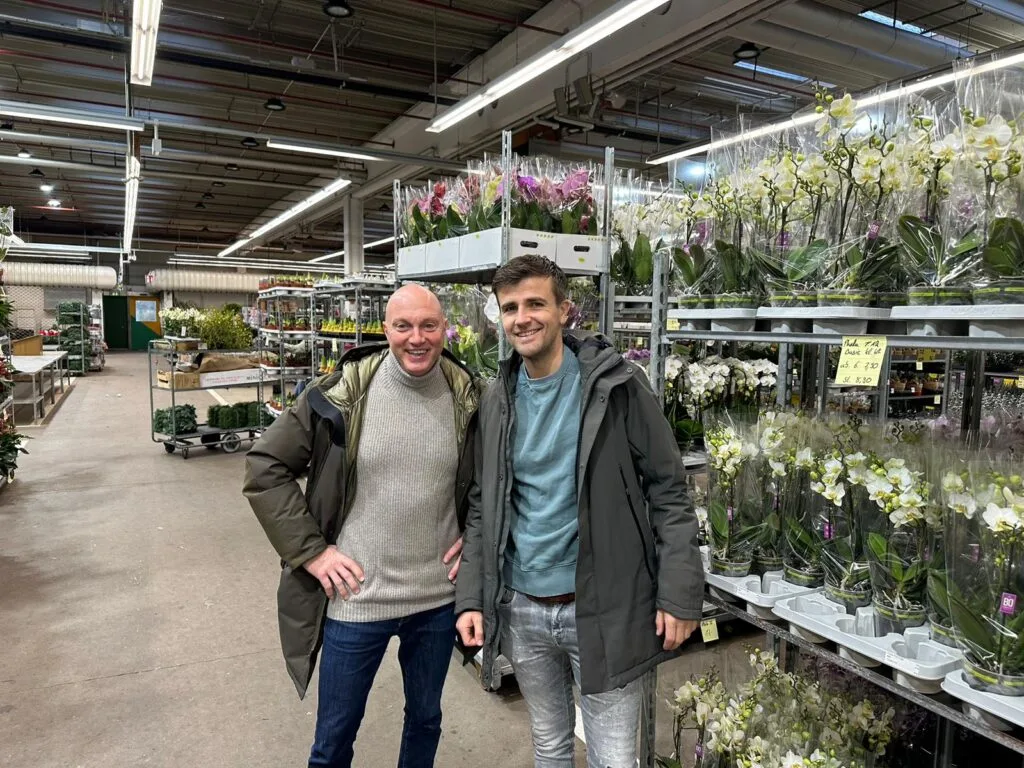
We work with local wholesalers in Europe through our sub-webshop system. Participating florists can buy flowers and plants sourced from growers in the Netherlands through a structured webshop.
The model depends on logistics. Local wholesalers transport consolidated volumes to countries including Romania and then distribute individual orders to customers. Florists may collect locally and make a final purchasing round for staple lines — what Buskermolen calls the “butter, cheese and eggs”.
Direct shop delivery may also be available. Actual freshness, speed, range, countries and terms depend on the supplier and route.
From root to florist: understanding the flower supply journey and quality differences
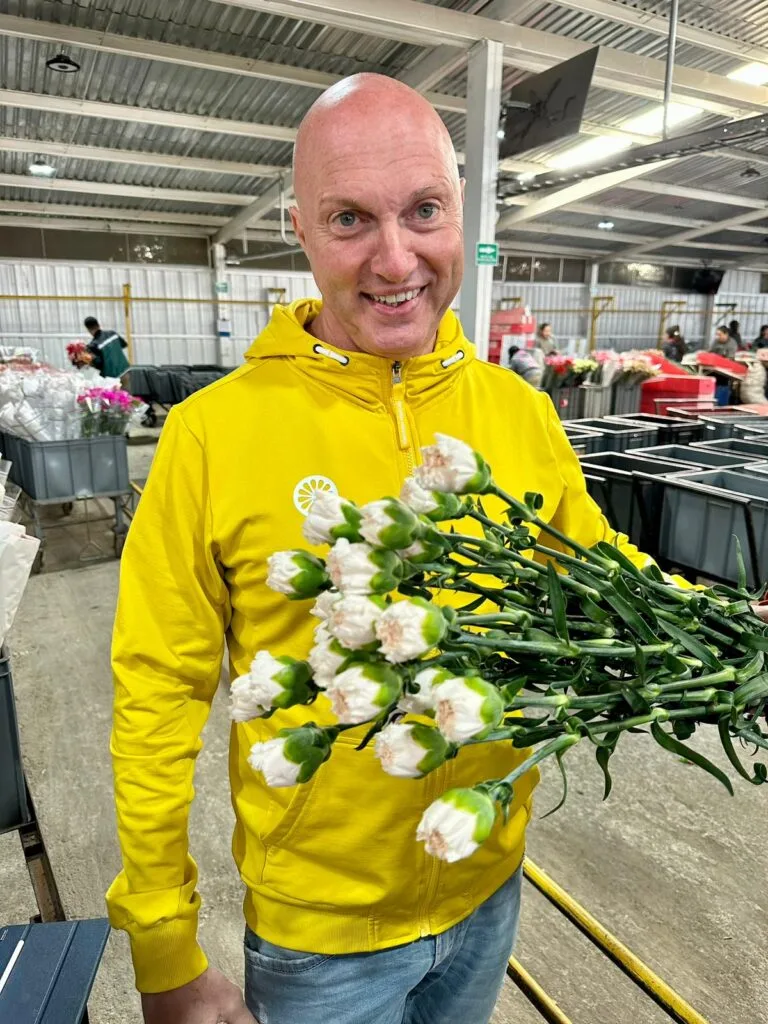
3. How would you challenge florists who consider themselves “small”?
Answer: I understand that feeling, but it troubles me. Florists are not small in importance. They take part in important moments in people’s lives. Their work has value that differs from supermarkets and chains.
Supermarkets may use low flower prices to attract broader shopping. An independent florist may not be able to compete on price alone.
A florist’s strength can lie in personality, emotion and distinctive work. The business needs to add value and understand why customers choose it.
I often say: you have the customers you deserve. In context, this means that positioning, quality, service and business choices help shape the customers a florist attracts; it is not a judgement about the personal worth of individual customers.
4. What separates florists who grow from those who stagnate?
Answer: For me, productive discomfort encourages development. Personal and business development matter.
That means making choices, building a recognisable style and creating structure for yourself and the team. Without structure and clear decisions, passion can become overwhelming.
5. How do you see the balance between creativity and business thinking?
Answer: Creativity is the soul of the profession, but entrepreneurship helps sustain it.
I often see talented florists working very long hours while underpricing or lacking a complete view of costs, margins and profitable activities.
That is unfortunate because the profession deserves a financially healthy, sustainable future.
6. Which developments should florists watch?
Answer: The world is becoming faster and more complex, while people also look for simplicity, warmth and comfort at home.
Florists can respond by giving customers a meaningful reason to visit or buy. The proposition differs by market.
Customers may value:
- Convenience
- Inspiration
- Confidence in what they buy
Sustainability considerations are increasingly visible, although priorities and willingness to pay vary.
Another important area is social media. In Buskermolen’s experience, florists who share positive, creative content often sell more than those who do not. Social media can support discovery and storytelling, but it does not itself guarantee higher sales.
The foundations remain assortment, purchasing, logistics and cost control. These can create room for creativity and customer relationships.
Relevant pots, vases or complementary products may add value when pricing, stock risk and customer need are understood.
Wedding trends for 2026: changes in the bridal market and considerations for florists
7. What does the “grower’s house” concept mean in practice?
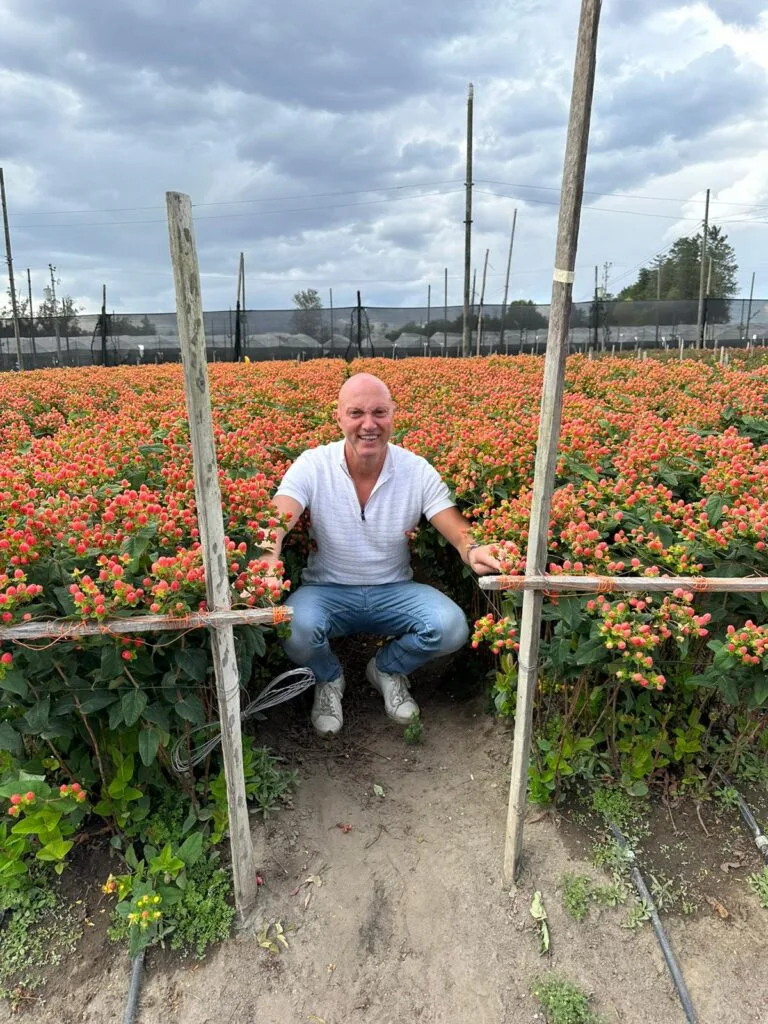
Answer: For us, it means staying close to the grower, product and customer, with processes intended to maintain appropriate freshness and quality.
We look for distinctive products, work with growers, buy volume and focus on freshness and quality.
It begins with the grower’s expertise and commitment.
8. What advice would you give a florist who is struggling?
Answer: I would offer several suggestions.
Be distinctive. Have the courage to choose and stop activities that do not serve the business. Examine what gives energy and what consumes it; energy-intensive work may carry hidden costs.
Do not be afraid to ask for help. Learn from other florists and people in other industries.
The future is not about doing everything alone, but working intelligently with your team and partners in purchasing, logistics and marketing.
9. What role do innovation and differentiation play today?
Genuine emotion, commitment and well-handled fresh products can stand out in a fast digital environment. Perfection is less important than credible, consistent work.
10. What does a successful florist look like in 2026?
Answer: In my view, a successful florist is:
- Specialised and recognisable
- Able to communicate and tell stories through suitable channels
- Aware of costs and confident in evidence-based pricing
- Able to explain why the work merits its price
The aim is not simply to work more, but deliberately and intelligently.
11. What mistakes do florists make when scaling?
Answer: They may try to do too much too quickly. Revenue can grow while control and wellbeing decline.
Without structure, growth becomes a burden. Involve the team, develop capability and improve systems rather than relying on longer hours.
Healthy growth is usually staged and should be assessed through cash flow, workload, quality and team capacity.
12. What continues to motivate you?
Answer: Flowers and plants accompany some of life’s happiest and most difficult moments, and that continues to fascinate me.
I enjoy meeting passionate people from different countries. Other cultures, lifestyles and ideas continue to inspire me.
Simple things matter too: a good conversation, a glass of wine and fresh local food.
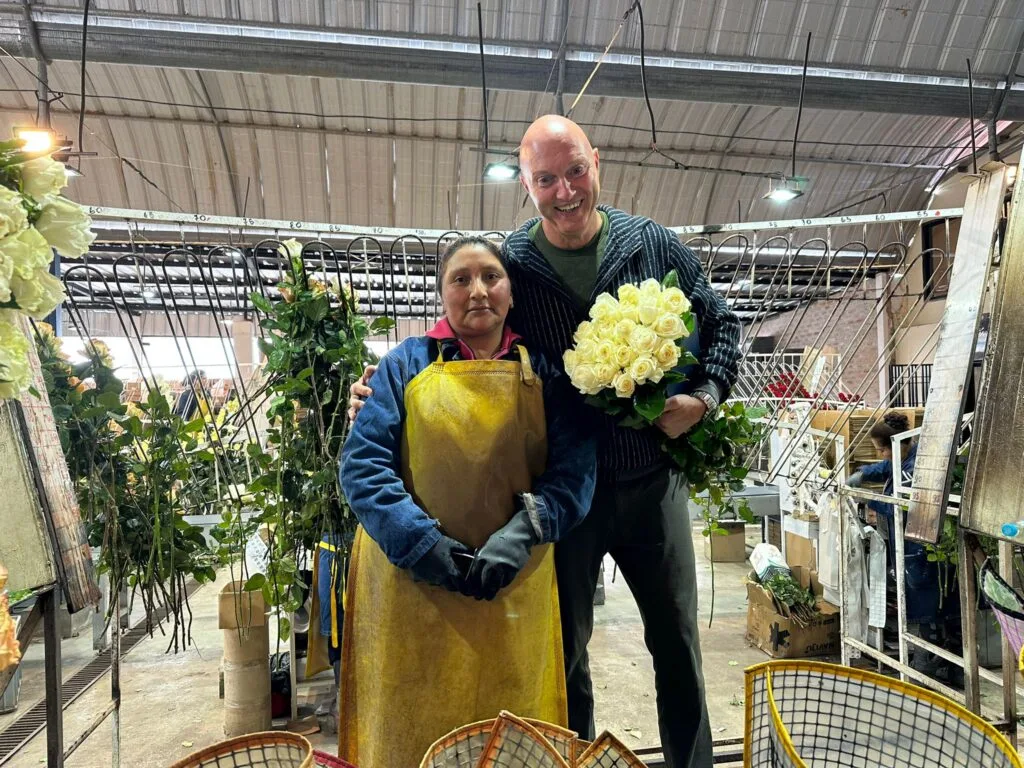
_______________________________________________
The interview leaves one clear idea: the industry is not necessarily harder than before, but it is different. In Buskermolen’s perspective, the market is not the only factor; mindset and business choices also influence how a florist responds. Difficulty is still not identical for every company or market.
The original Romanian commentary speaks from the ProFlorist founder’s experience. It is personal reflection, not evidence that every obstacle is internal.
Challenges are real. Stories of apparently overnight success often omit years of work, risk and setbacks, but there is no universal timetable.
A more useful distinction is how attention and resources are directed.
Businesses can review constraints while choosing where to build, learn and experiment. Positive attitude alone does not produce customers or opportunities.
A flower shop is about more than flowers: it also involves service, atmosphere and operations. These begin with the team and its working conditions.
Stress and fatigue can affect service, while presence and openness may help. These are human factors, not guarantees of commercial results.
Difficulties should not be ignored or allowed to define every decision.
Identify what is unsustainable, learn from setbacks and invest in work that is both valuable and viable.
Success depends on more than hours worked or mindset. Pricing, demand, capability, cash flow, health, timing and external conditions also matter.
Thank you to John for sharing his professional perspective. Readers should assess commercial claims and supply options against current terms in their own market.
Related articles
More ideas from the same area

Business & Management / Florists & Stories
How to calculate the real margin on a flower bouquet
A practical method for calculating contribution margin from net revenue and the variable costs…

Business & Management / Florists & Stories
What commercial markup should I apply to flowers?
There is no universal commercial markup that is "correct" for all florists. A multiplier…

Business & Management / Events & Community / Florists & Stories / Marketing & Sales / Supply & Flower Industry
ProFlorist’s Bucharest florist meeting on 3 July 2026: event archive
Archive note: this meeting took place in Bucharest on 3 July 2026. The article…