Wedding trends for 2026: how the bridal market is changing for florists
Wedding trends for 2026 point towards personal concepts, camera-aware design and more considered use of flowers. This practical overview separates useful planning signals from predictions and shows how florists can respond at different budgets.
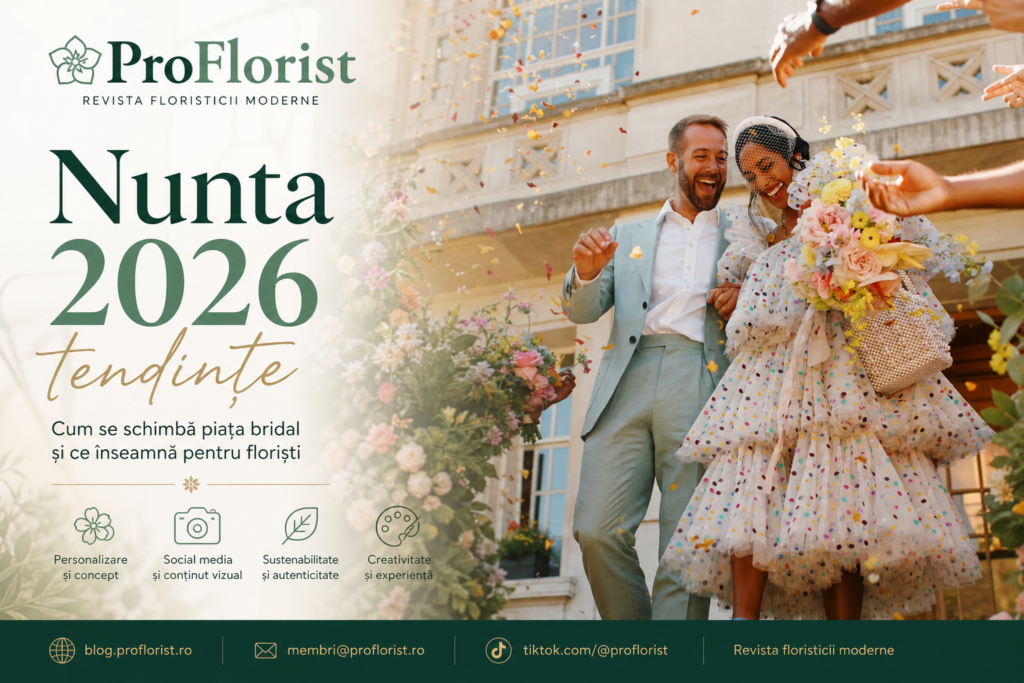
Weddings in 2026: from traditional event to personal experience
Why couples are asking for concepts, not only services
How client expectations are changing
Personalisation as a form of modern luxury
The couple as creative directors of their wedding
What bespoke floral design means for florists
Social media and its influence on floral décor
Weddings planned for photography, film and memorable content
Creating photogenic flowers without unnecessary spectacle
Flowers as an experience: installations, atmosphere and storytelling
From table arrangements to immersive floral settings
The florist as a creative partner in the event concept
Sustainability, authenticity and responsible floral choices
Why some couples are asking more about origin and reuse
How a UK florist can communicate environmental choices accurately
Wedding trends for 2026 at different budgets
The premium segment: elaborate experiences and ambitious design
The considered-budget segment: creativity, efficiency and visual effect
What florists can learn from new bridal directions
Why sound execution is no longer the only differentiator
Building a clear position in an increasingly visual market
Discussions about wedding trends for 2026 suggest a bridal market moving towards personal, emotionally resonant and visually coherent experiences. Concepts, storytelling and integrated design are becoming more prominent, with flowers treated as part of a wider creative environment rather than isolated decoration. For florists, this can mean moving from pure execution towards creative partnership: interpreting ideas, building a visual language and delivering a consistent experience. These are editorial observations, not a forecast that applies to every couple or region.
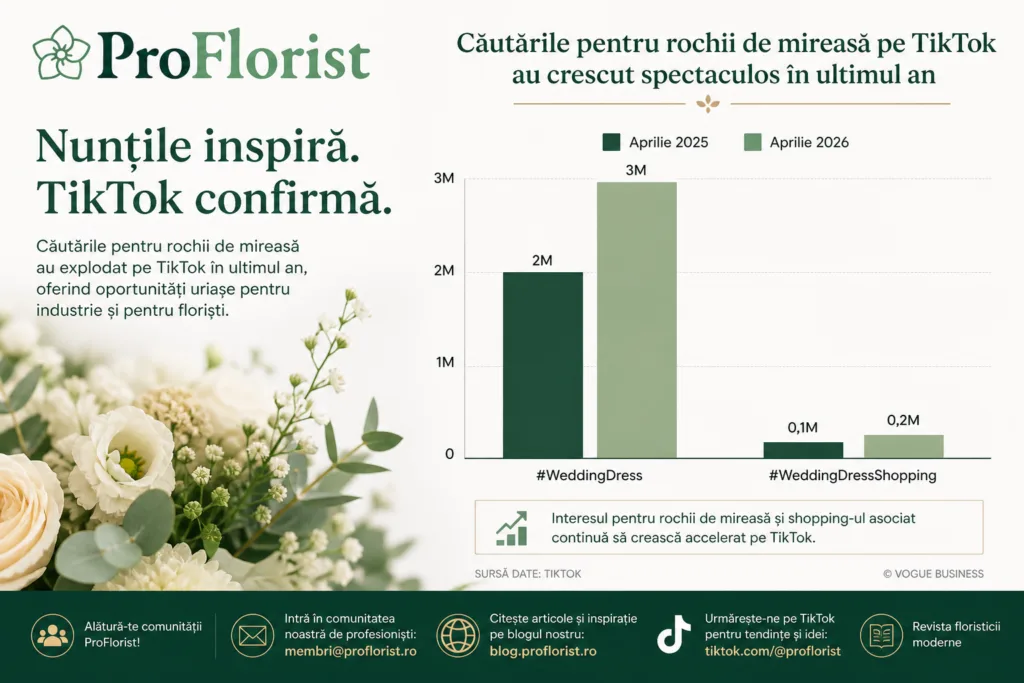
A wedding is no longer only an event: it can be an experience
The wedding industry continues to evolve. Rather than treating “2026 trends” as fixed rules, florists can read them as signals: fewer standardised packages, greater attention to personal stories and more deliberate coordination between details. Couples increasingly arrive with mood boards, visual references and an idea of how they want the day to feel. The pattern is particularly visible among clients who follow international work online, although it is not universal.
In that context, the florist’s role broadens. ProFlorist supports a model in which consultation and creativity sit alongside reliable execution. A beautiful bouquet or technically sound arrangement remains essential, but clients may also ask for visual coherence, emotional relevance and a connection with the wider wedding concept.
The new bridal market is therefore best understood as a shift in perspective. Social media, access to global inspiration and a desire for distinction have raised some clients’ expectations. Instead of asking what is customary, couples may ask what suits them. Florists who listen carefully and propose practical interpretations can become partners in the creative process.
The shift also brings challenges. Competition is strong, expectations can exceed available budgets, and reference images do not always translate to the venue, season or supply chain. The following sections examine useful directions and show how to adapt them without presenting a trend as a promise of commercial success.
Weddings in 2026: from traditional event to personal experience
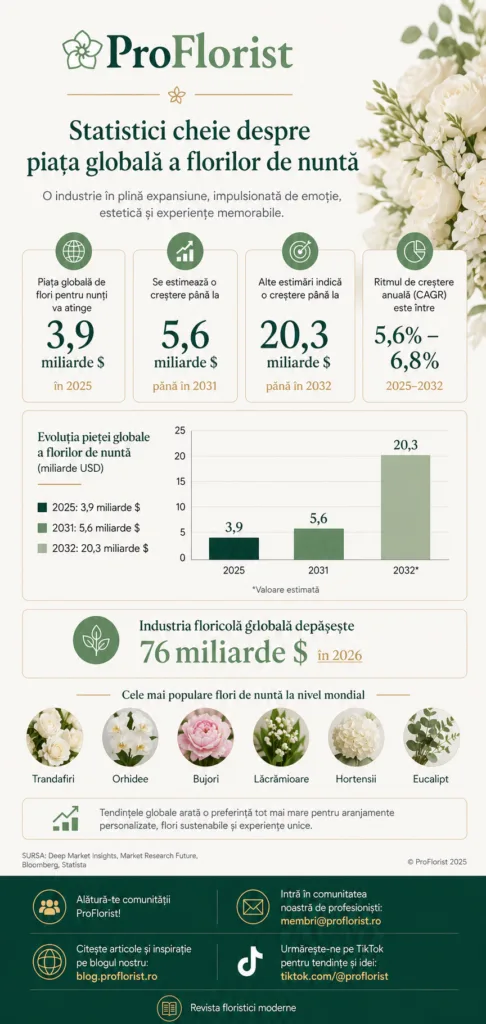
The transformation is not solely aesthetic; it also reflects how couples describe identity and emotion. Weddings can be built less around rigid conventions and more around the people getting married. The question shifts from “what should it look like?” to “how should it feel?”. Inspiration may come from Instagram, Pinterest, travel, architecture or a shared memory, but the final design still has to work in a real room and within a real budget.
Couples may seek suppliers who understand a vision rather than simply reproduce a reference. The florist then joins a wider creative process in which each element contributes to a coherent story. A request for “white flowers” may become a discussion about a natural summer-garden feeling, modern lines, movement and texture. That richer brief changes sourcing, mechanics and presentation.
For florists, trend awareness should therefore be less about collecting lists of must-haves and more about translating emotion into feasible design. Education, inspiration and honest consultation help practitioners interpret a brief while respecting seasonality, safety, venue rules and cost.
Why couples seek concepts, not only services
A wish for authenticity sits behind much of this change. Many couples do not want to repeat a template; they want details connected with their own story. The concept becomes the organising idea that helps each product and service make sense together.
A florist can begin not only with “which bouquet would you like?” but with questions about the mood, priorities, guests, venue and photographs. That approach turns a transaction into consultation while still requiring clear scope, timings and price.
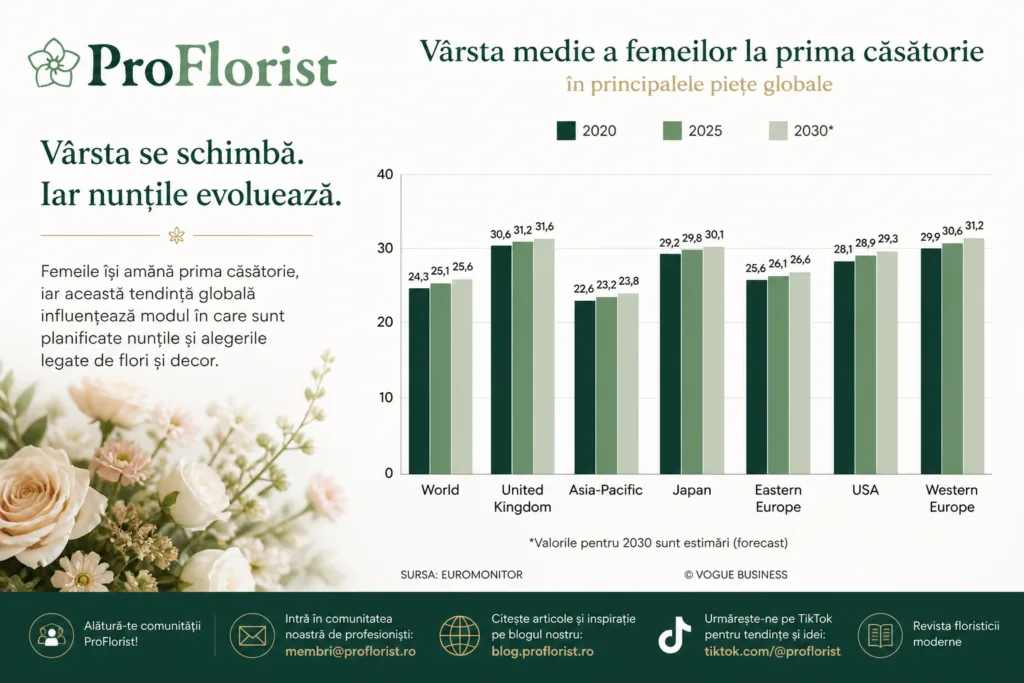
How client expectations are changing
Many clients have access to a vast range of global references and arrive better informed, although images can also create unrealistic expectations. Desired results and available budgets do not always rise together, increasing the need for alternatives that preserve the main visual idea.
Florists can respond by explaining the balance between aesthetics, budget, mechanics, season and venue conditions. A clear proposal might distinguish essential focal pieces from optional additions and show where reuse is genuinely practical.
Personalisation becomes a form of modern luxury
Luxury was once described mainly through abundance. In current wedding conversations, it may instead mean thoughtfulness and personal relevance. Some couples choose one distinctive arrangement designed around their story rather than a larger number of standard pieces. That preference is not universal, but it creates room for a carefully developed concept.
For florists, this can require a more flexible offer. Bespoke work needs discovery, design time, revisions, sourcing and documentation; these activities should be reflected transparently in the proposal rather than absorbed without charge.
The couple as creative directors of their wedding
Clients are often closely involved in shaping the visual direction. They may bring mood boards, references and strong preferences. A florist’s job is not to accept every image literally, but to identify the underlying principles and translate them into a coherent, achievable design.
That dynamic can be demanding, but it also creates an opportunity to guide choices, edit conflicting ideas and offer alternatives that improve the original vision while remaining honest about cost and availability.
What bespoke floral design means for florists
Bespoke design involves more communication, planning and creative work. It can also produce more distinctive projects and closer client involvement. Good boundaries are important: define revision rounds, approval dates, substitutions and responsibilities in writing.
Developing a recognisable point of view can help a florist stand out, but a signature style should not override the client’s brief or practical constraints. A strong portfolio shows both creative identity and dependable delivery.
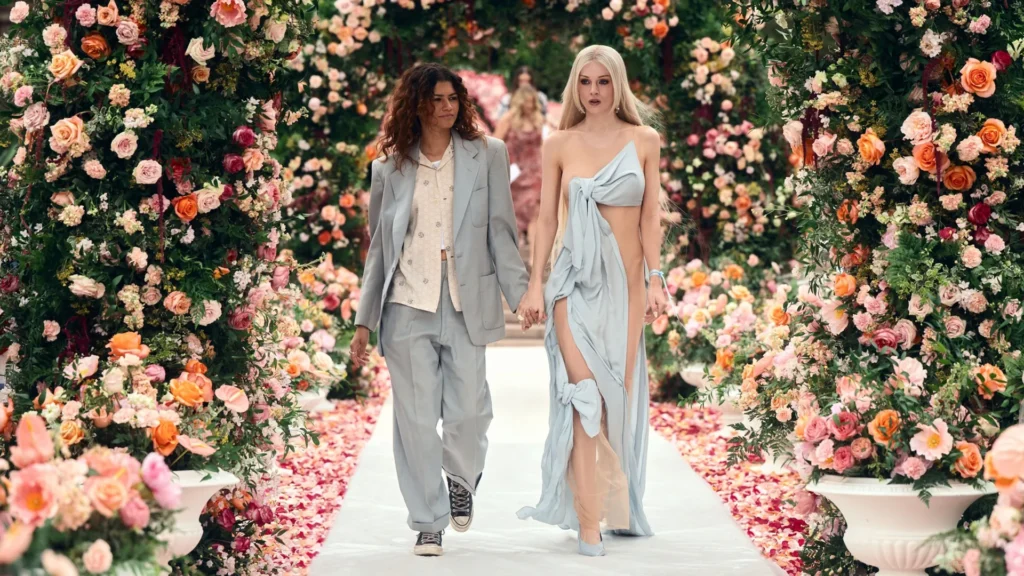
Social media and its influence on floral décor
Weddings are experienced by guests and recorded through photographs and film. Social platforms have made the resulting images more visible, encouraging attention to camera angles, focal points and consistency. Design should still serve the people in the room, rather than becoming only a backdrop for content.
Light, colour and texture may read differently on a screen. An arrangement that feels impressive in person can look flat in a photograph, while a modest design with depth and a strong silhouette can photograph well. Coordination with the photographer and venue can prevent avoidable conflicts.
Weddings planned for photography, film and memorable content
Couples often want images that tell a story. Flowers can add volume, colour, rhythm and emotion, especially at key locations such as the ceremony, entrance or main table. Select focal moments according to the brief rather than decorating every surface.
Creating photogenic flowers without unnecessary spectacle
More flowers do not automatically produce a stronger image. Contrast, depth, negative space and one well-positioned feature may have greater visual impact than an overloaded setting. Test sight lines and remove elements that compete with people or signage.
Flowers as an experience: installations, atmosphere and storytelling
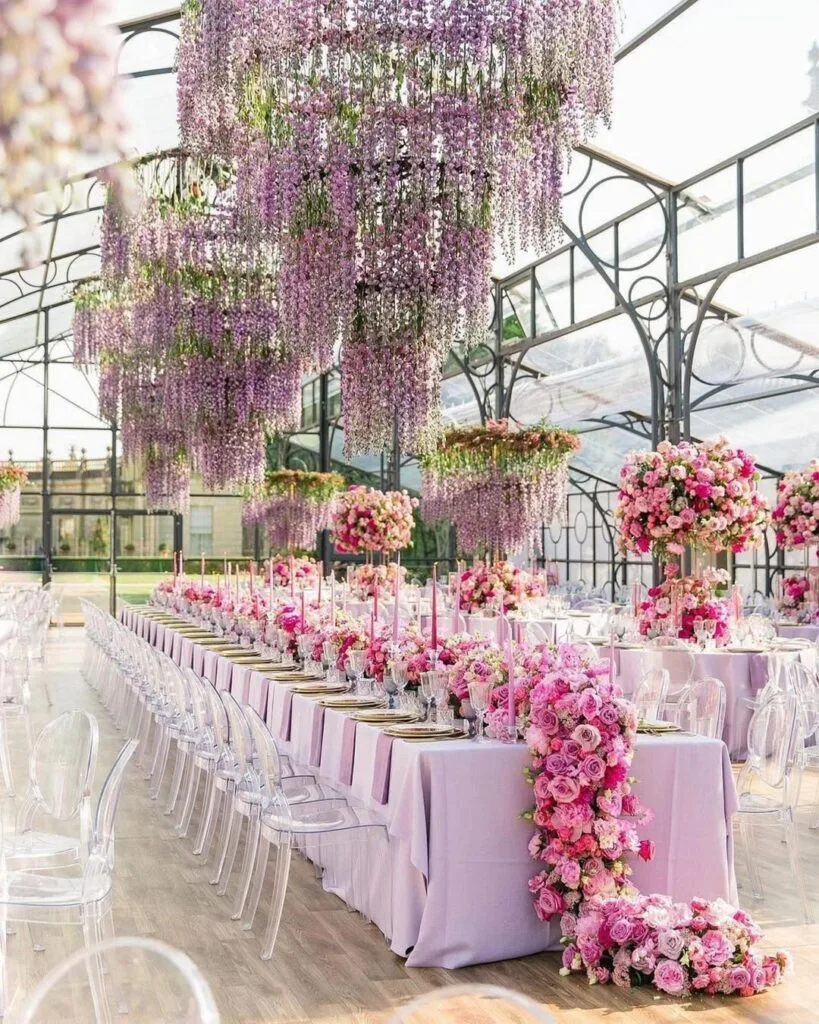
Flowers can contribute to the overall experience rather than function as isolated decoration. Some current briefs explore immersive settings that place guests within a visual environment, but the approach must be appropriate to the venue and event.
Arches, suspended structures and floral walls remain visible references. They can provide a strong focal point, but require competent mechanics, load assessment, installation time and a plan for safe removal. Popularity online is not a substitute for safe engineering.
From table arrangements to immersive floral settings
Table arrangements remain important, but should be considered within the room as a whole: how the space looks, feels and moves. Height, sight lines, service access and candle safety matter as much as the photograph.
The florist as a creative partner in the event concept
Florists increasingly collaborate with planners, stylists, venues, production teams and photographers. Clear ownership of the design, timetable and installation responsibilities helps the group create a coherent result without duplicating work.
Sustainability, authenticity and responsible floral choices
Environmental considerations are another recurring theme in wedding planning. Some couples ask about seasonal sourcing, foam-free mechanics, transport, packaging, donation and reuse. Their priorities differ, so avoid labelling an entire event “sustainable” without evidence.
Why couples ask about origin and reuse
Greater public awareness has led some clients to ask where flowers come from, how they were grown and what happens after the event. A florist may not have complete data for every stem, but can state what is known and what is not.
How a UK florist can communicate environmental choices
Use specific, verifiable descriptions: name the seasonal or locally sourced elements, explain reusable mechanics, and describe the actual after-event plan. Avoid broad “eco-friendly” claims where the evidence only supports a narrower improvement.
Wedding trends for 2026 at different budgets
The bridal market includes premium commissions and carefully limited budgets, with many projects between those poles. Each calls for a different allocation of design time, materials and labour rather than a judgement about quality or ambition.
The premium segment: elaborate experiences and ambitious design
Premium briefs may place greater emphasis on detail, large-scale mechanics and a complete guest experience. Larger budgets also bring higher expectations, more coordination and greater operational risk, which should be reflected in staffing and contingency plans.
The considered-budget segment: creativity, efficiency and visual effect
With limited resources, concentrate material where it matters most, simplify the palette, use seasonal availability and plan genuinely reusable pieces. A clear focal point can create a memorable effect without pretending to deliver a premium-scale installation.
What florists can learn from new bridal directions
The broad lesson is continued development. Trend awareness helps only when it is combined with technical skill, commercial discipline, safe production and the ability to explain choices to clients.
Why execution is no longer the only differentiator
Correct execution is the foundation and can never be skipped. Differentiation may also come from consultation, visual interpretation, transparent pricing, calm project management and a consistent client experience.
Building a position in an increasingly visual market
A clear identity, honest communication and a well-edited portfolio help clients understand what a florist offers. ProFlorist provides professional inspiration and resources, but every business should validate ideas against its own customers, capacity and market.
What are the main wedding trends for 2026?
Prominent editorial directions include personal experiences, concept-led design and memorable focal décor. Couples may favour authenticity and a clear story, with flowers integrated into the event rather than added at the end. Treat these as planning signals, not universal predictions.
How does social media influence wedding planning in 2026?
Social media expands access to inspiration and encourages attention to photogenic details. A sound design should work in person as well as in photographs and film. Florists can discuss light, angles and focal points with the wider creative team while keeping guest experience central.
What does personalisation mean in a modern wedding?
Personalisation means choosing details that connect with the couple’s identity and priorities rather than reproducing a fixed package. For florists, it involves careful briefing, a tailored concept and close collaboration, supported by clear scope and approvals.
How is the florist’s role changing?
The florist may act as both supplier and creative partner: understanding the concept, proposing practical ideas and contributing to the event’s visual identity. That expanded role also requires professional boundaries, documented decisions and collaboration with other suppliers.
Which floral arrangements are prominent in 2026?
Installations, suspended structures and designs that transform a defined part of the venue remain prominent in editorial imagery. Their suitability depends on budget, venue permission, engineering, access and available installation time.
Is sustainability important for weddings in 2026?
It matters to some clients and is increasingly discussed. Relevant choices can include seasonal sourcing, reusable mechanics, reduced packaging and a credible after-event plan. Florists should communicate environmental practices precisely and avoid unsupported whole-event claims.
How can florists adapt to new bridal directions?
Build creative interpretation, technical competence and commercial clarity together. Ask better questions, design for the real venue, document scope and test new ideas against actual capacity. The strongest difference comes from a dependable experience, not merely a fashionable product.
In a changing market, useful trends are prompts for better conversations rather than instructions to copy. ProFlorist can support professional learning and inspiration, while each florist remains responsible for checking demand, cost, safety and environmental claims in their own practice. A focused portfolio and an honest consultation process are practical first steps.
Related articles
More ideas from the same area
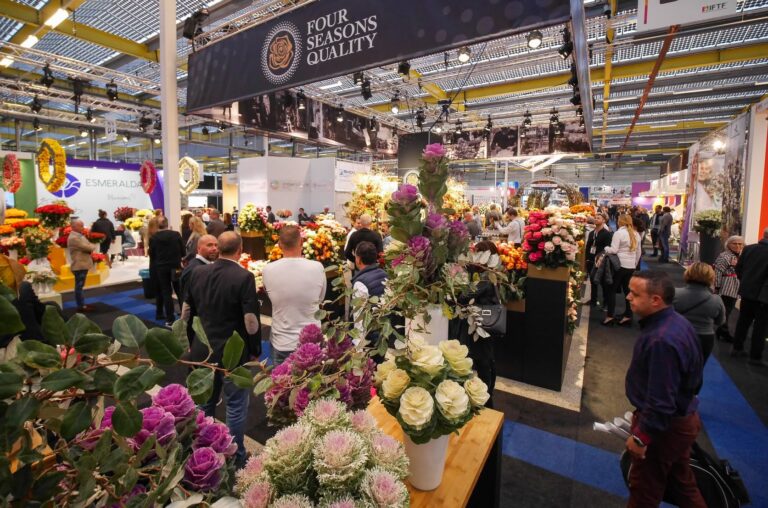
Europe’s major floristry and wedding trade fairs: autumn 2026 to early 2027
A professional calendar of European floristry, horticulture, wedding and design events from autumn 2026…
Business & Management / Events & Community / Florists & Stories / Marketing & Sales / Supply & Flower Industry
ProFlorist’s Bucharest florist meeting on 3 July 2026: event archive
Archive note: this meeting took place in Bucharest on 3 July 2026. The article…
Education & Floral Design / Events & Community / Supply & Flower Industry
Gateway to the Americas Cup: Ioana Nechifor on the international stage
The Gateway to the Americas Cup has brought respected floral designers from different countries…