How storytelling can support the sale of floral arrangements
Storytelling can help explain the inspiration, materials and intended occasion behind a floral arrangement. This guide focuses on clear, truthful communication and does not assume that a story alone guarantees a sale or a higher price.
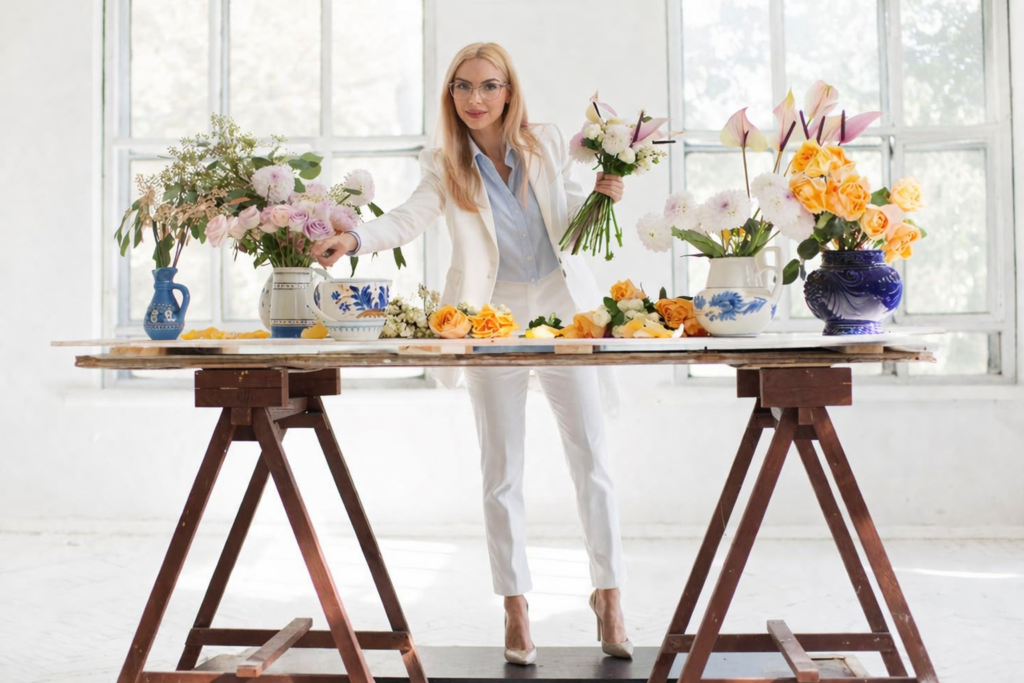
In a world where people no longer only buy products, but emotions and experiences, storytelling in flower sales becomes one of the most powerful tools that a florist can have. It is no longer enough to show a beautiful bouquet – the client wants to know the story behind it: for who it is, when it arrives, what it transmits. When you create context and emotion, the product gets value, and the purchasing decision becomes much easier.
Read also: What would the strategy of a florist want to become known in 2026
A well-made storytelling is not just an inspired text, but a complete visual experience. It constantly shoots in the same recognizable frame (your workshop, worktable, delivery machine), so that people recognize you instantly. Create a suitable atmosphere – use natural or warm light, play with umbrellas and details, capture the bouquets from several angles (close-up on flowers, frames during achievement, moments of delivery). Add a suitable song to support emotion and make sure the sound and image are impeccable. Above all, be authentic – people immediately feel when something is forced.
Why does it work? Because storytelling helps you differentiate in a crowded market, build trust and transform a simple florist into a memorable brand. Some customers may consider the experience and story behind a bouquet as well as its price.
If you want to start right away, here are five simple storytelling ideas that you can put into practice today:
- “Come with me to make 30 bouquets in 2 hours” – show the real rhythm in the workshop
- “Find out the story of this bouquet” – for who it is and what it transmits
- “From flower to delivery” – follows the full route of an arrangement
- “First customer reaction” – captures delivery time
- “A day in the life of a florist” – authentic, without filters
These types of content not only attract attention, but create real connections and turn every bouquet into a story worth buying.
See also: Professional photos for florists, without studio and without editing
What does storytelling mean in the context of florists?
Storytellingis the art of telling stories that capture and excite the audience. In the case of florists, this concept translates into the creation of narratives to accompany each flower arrangement, highlighting the meaning of the flowers, the opportunity for which they are destined or the emotions they can convey.
The importance of stories in the sale of flowers
- Creating an emotional connection – Stories help customers identify with the product, making the purchase experience more personal.
- Market differentiation – In a competitive field, a well-built story can make the difference between one flower shop and another.
- Value added – A story may support the perceived value of a floral arrangement, but it does not by itself justify a higher price.
Real stories from florists: Funny stories from florists: night orders, huge bouquets and reconciliation flowers at 2 in the morning
Emotional marketing in florists
Emotional marketing is based on understanding and stimulating customer emotions to influence the purchasing decision. In florists, this type of marketing is extremely relevant because flowers are often bought to express feelings like love, gratitude or compassion.
Effective communication techniques in florists
- Creating authentic stories – Using real narratives about the origin of flowers or how the arrangement was created.
- Use of floral symbolism – Explanation of the meaning of each flower in the arrangement to add depth to the message transmitted.
- Customer involvement – Inviting customers to share their own stories about flowers, thus creating a community and a sense of belonging.
Practical examples of flower stories in sales
A frequent example is the story of a bouquet created for an important anniversary, where each flower symbolizes a significant moment in the life of the birthday boy. Another approach may be to present a collection of flowers from a sustainable source, increasing environmental care and the social responsibility of the florist.
Such stories not only attract customers, but also faithful them, transforming a simple transaction into a memorable experience.
Communication in a flower shop – how to deliver the right message
Communication in florists must be clear, empathetic and tailored to the target audience. It is important for staff to be trained to use storytelling naturally, without appearing forced or artificial.
Moreover, marketing materials, including product descriptions on the site or in the store, must include narrative elements to support the arrangement story.
Steps for effective communication
- Active Listening – Understanding the needs and wishes of the client to adapt the story.
- Personalization of message – Using specific details to reflect with the customer’s experience.
- Consistence – Maintaining a single tone and style in all communication channels.
What is useful to note
Storytelling in the sale of floral arrangements is not only a marketing technique, but a genuine way to create emotional links and bring real value to customers. Through well-built stories, florists can transform each bouquet into a unique and memorable experience.
Emotional marketing and careful communication are strong allies in this process, and their integration into the sales strategy contributes significantly to the success of the business.
FAQ
What is storytelling in the context of florists?
Storytellingis the art of creating stories that accompany floral arrangements, helping to create an emotional connection between product and client.
Why is emotional marketing important in the sale of flowers?
Emotional marketing stimulates customers’ feelings, influencing the purchasing decision by creating a personal and memorable experience.
How can florists use communication to sell better?
Florists must adapt messages according to customer needs, customise stories and maintain a consistent tone to convey authenticity and professionalism.
What are the benefits of using stories to sell flower arrangements?
Benefits include increasing the perceived value of the product, differentiation on the market and customer loyalty by creating an emotional experience.
Can stories influence the price of flower arrangements?
A relevant story may influence perceived value, but acceptance of a higher price also depends on the product, quality, market and customer.
Related articles
More ideas from the same area

Business & Management / Events & Community / Florists & Stories / Marketing & Sales / Supply & Flower Industry
ProFlorist’s Bucharest florist meeting on 3 July 2026: event archive
Archive note: this meeting took place in Bucharest on 3 July 2026. The article…
Business & Management / Florists & Stories / Marketing & Sales
How micro-occasions can support flower-shop sales: 23 April as a Romanian example
A Romanian case study on using smaller occasions such as Saint George’s Day on…
Why lighting matters when displaying flowers in a florist shop
Thoughtful lighting can reveal the colours, shapes and textures of flowers and help define…